Every Journey is a Story
Home / Plan your trip / Where you stay in Bhutan
Government-approved hotels, valley lodges, farmhouse rooms and tented camps — what each is actually like.
Every property we use is approved and inspected under Bhutan’s tourism standards. Beyond that the choice is yours — and the best night is often not the most expensive one.
Bhutan grades tourist accommodation and the standard included in our journeys is a well-run hotel of roughly three-star equivalent: a clean, heated room with hot water, a restaurant serving Bhutanese and international food, and staff who will look after you properly. In Paro, Thimphu and Punakha these are comfortable town or valley hotels; further east they are simpler, and honestly so.
Above that sit a small number of lodges that are among the finest in the Himalaya, and below it — in the sense of luxury, not of memory — are the farmhouse rooms and tented camps that many travellers end up talking about most.
Three-star-equivalent hotels in the main valleys. Heating in winter, hot water, wifi in public areas and usually in rooms, and a kitchen that will cook mild if you ask.
A handful of small luxury lodges in Paro, Thimphu, Punakha, Gangtey and Bumthang. Few rooms, high demand, and they book out a season ahead — say early if this is what you want.
A room in a working farmhouse, dinner with the family, and a hot-stone bath heated in the yard if you ask in the morning. Simple, warm and the part people remember.
Two-person tents, foam mattresses, a dining tent and a toilet tent, carried and pitched by the crew. Nights are cold above 3,500 metres; we provide four-season sleeping bags.
East of Trongsa the hotel standard drops and the choice narrows. Rooms are clean and warm but plainer. We tell you before you book, not after you arrive.
A quiet room, a room with a view, twin instead of double, a ground floor room, or a particular property. All subject to availability, and we confirm what is held in writing.
Winter nights are cold in Paro, Thimphu and Bumthang. Approved hotels heat rooms with radiators or heaters and hot water is reliable, but insulation is lighter than you may be used to — bring warm night clothes for December to February.
Hotels serve a buffet of Bhutanese, Indian and continental dishes. Bhutanese food is chilli-forward — ema datshi is chillies and cheese, not a garnish — and kitchens will cook mild on request. Vegetarian and vegan travellers are easily accommodated.
In October, and during Paro and Thimphu festival weeks, the good hotels fill months in advance. Early dates give you a better room, not just a room.
Yes. Tell us the properties you have in mind and we will price the journey with them, or suggest alternatives if they are full or poorly placed for that day’s driving.
In most hotels, yes, and mobile data works well in the main valleys. It is slower in the east and on trek there is none — which is usually the point.
Yes, at a single-occupancy rate. Solo travellers are welcome on every journey we run.
River stones are heated in a fire and dropped into a wooden tub of water, traditionally with artemisia leaves added. It is a long, hot soak and a Bhutanese tradition — we make no health claims for it beyond that it is deeply relaxing.
Tell us your dates and what you would like the journey to include. You will get a written day-by-day itinerary and a full quotation back, with nothing to pay while we work it out.
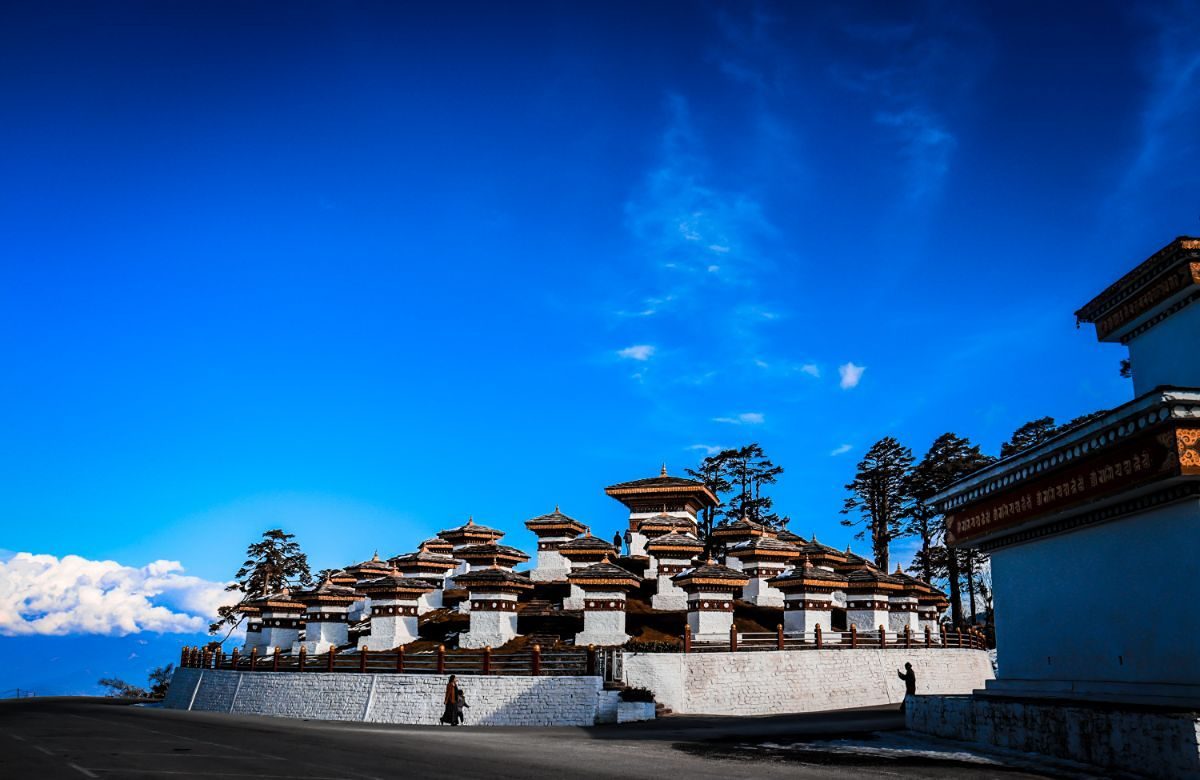
Four seasons, four different countries. What changes is the light, the crowd, and what is …
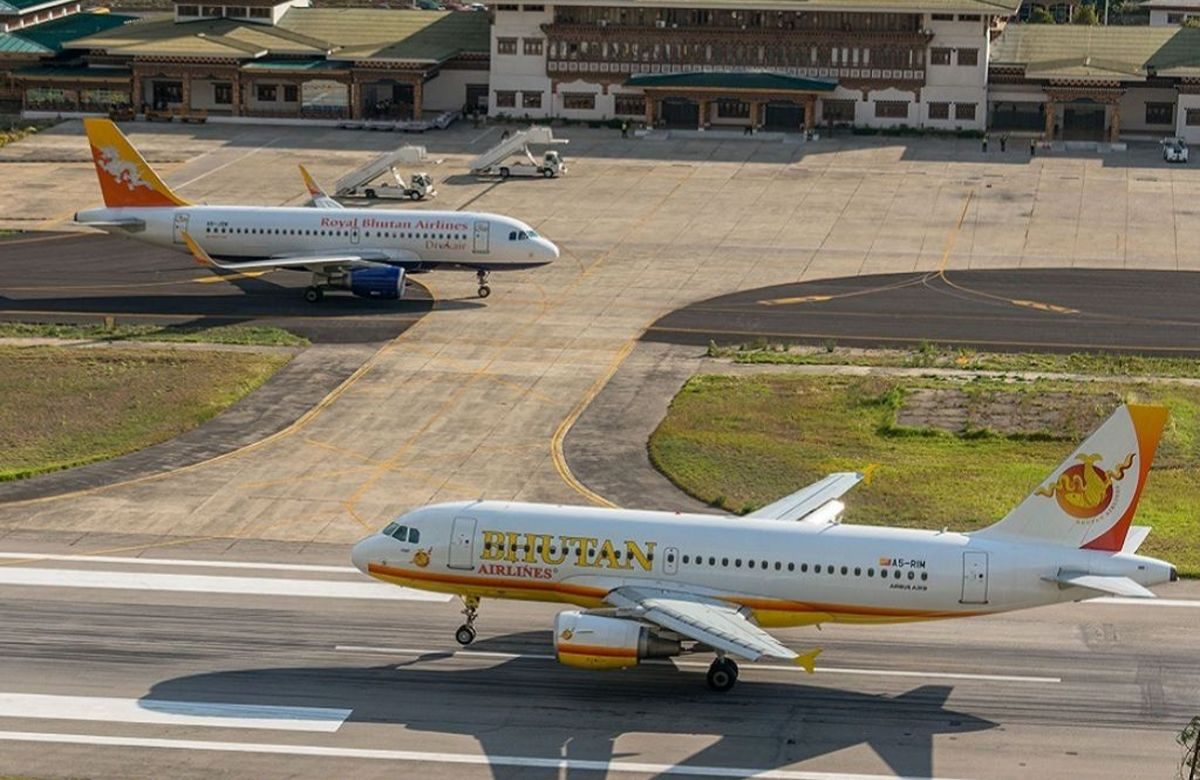
By air into Paro, or overland from India — the routes, the airlines and the connections th…
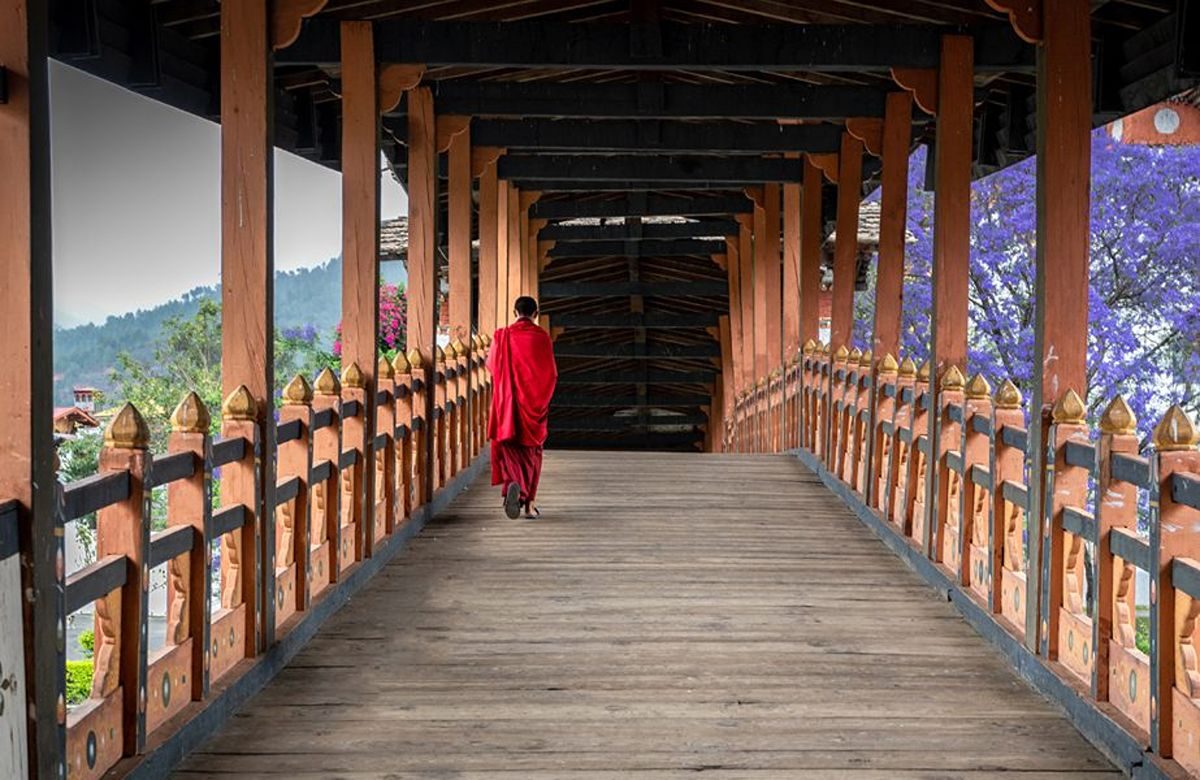
Exactly what Bhutan asks of a visitor, what it costs, and which parts we handle for you.…