Private journeys through Bhutan, told the way we live them.
Jamyang Tourism is a Bhutanese tour operator working out of Haa Throm, in the quietest
valley in the west of the kingdom. Your own guide, your own vehicle, and an itinerary
written from scratch for your dates.
A small company from a valley most itineraries drive past.
Haa opened to foreign visitors only in 2002. It has one main street, two
temples with a legend attached to each, and a pass at 3,988 metres standing between it and
everywhere else.
That is where we are from, and it shapes how we plan. Fewer places, longer in each, a
guide who grew up nearby, and a driver who knows which side of the pass the cloud sits on
in October. Everything is private, and everything is written from scratch for the dates
you give us.
We are a Bhutanese company, run from Haa, and we handle the whole administrative side
of a visit: the visa application, the Sustainable Development Fee, hotels, permits and any
internal flights.
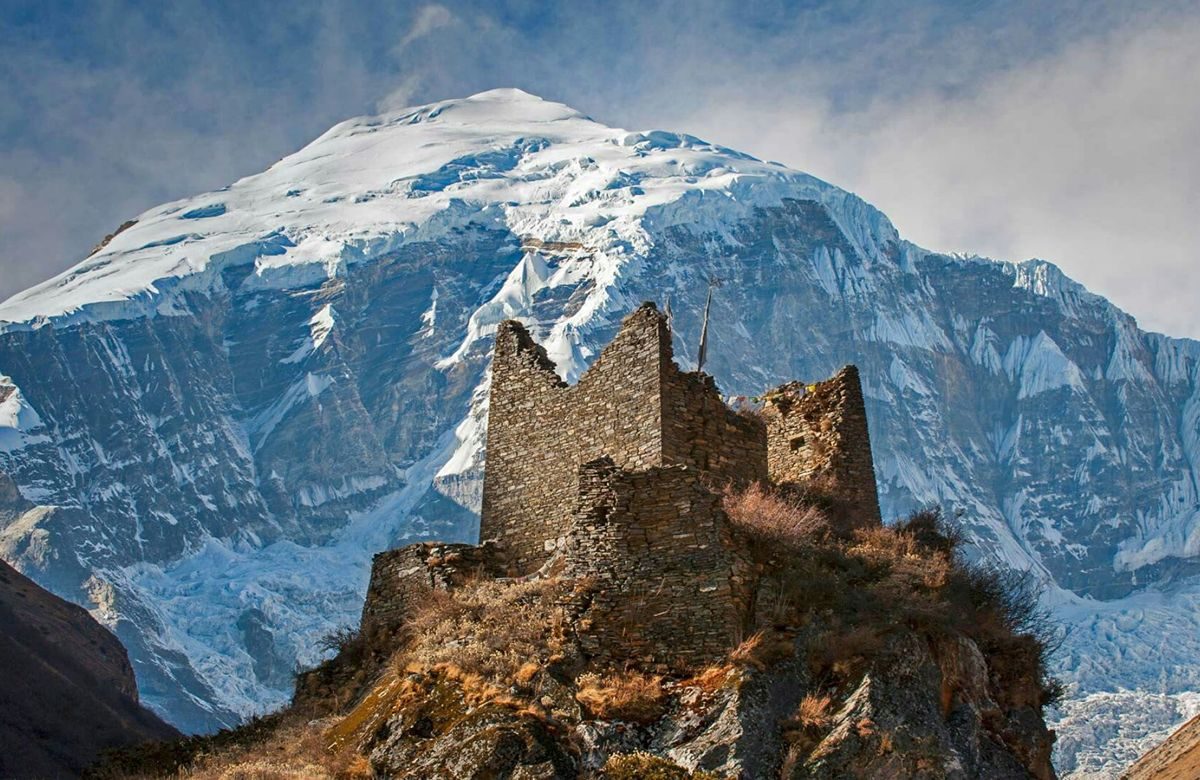
Cross Chele La at 3,988 m into the valley that only opened to visitors in 2002 — barley fields, blue pine, two ancient temples and the people we grew up with.
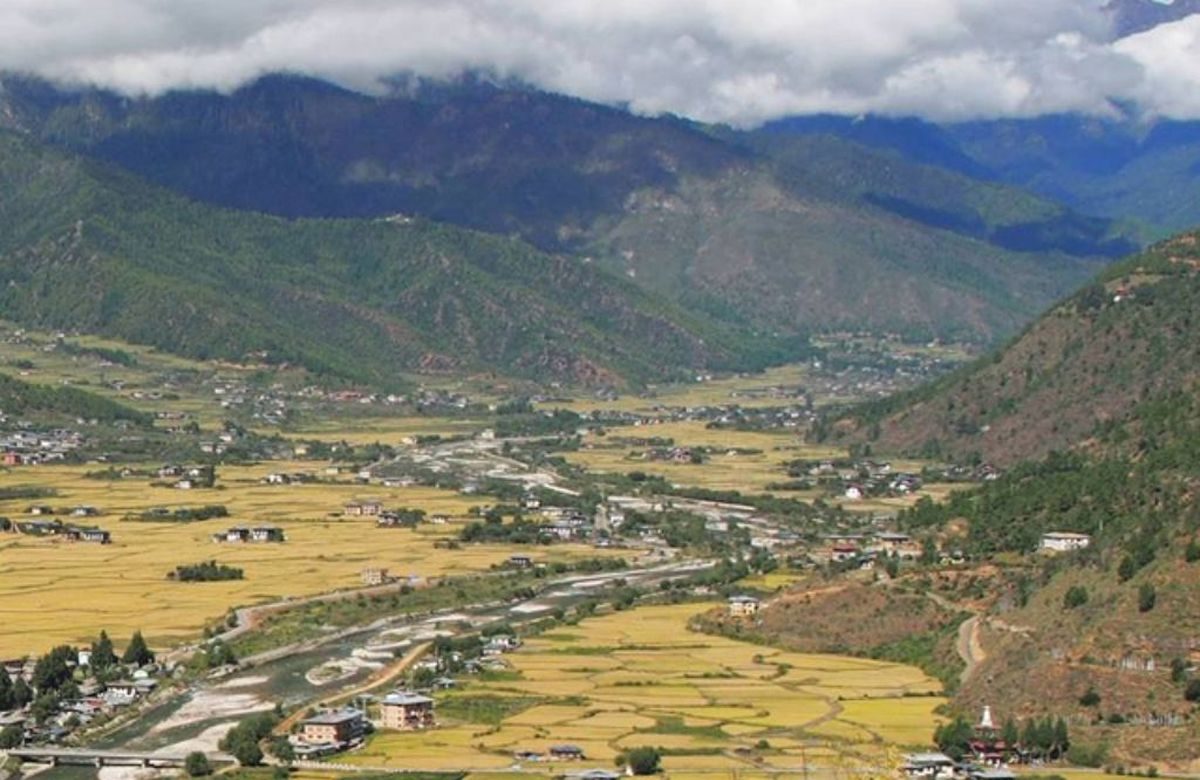
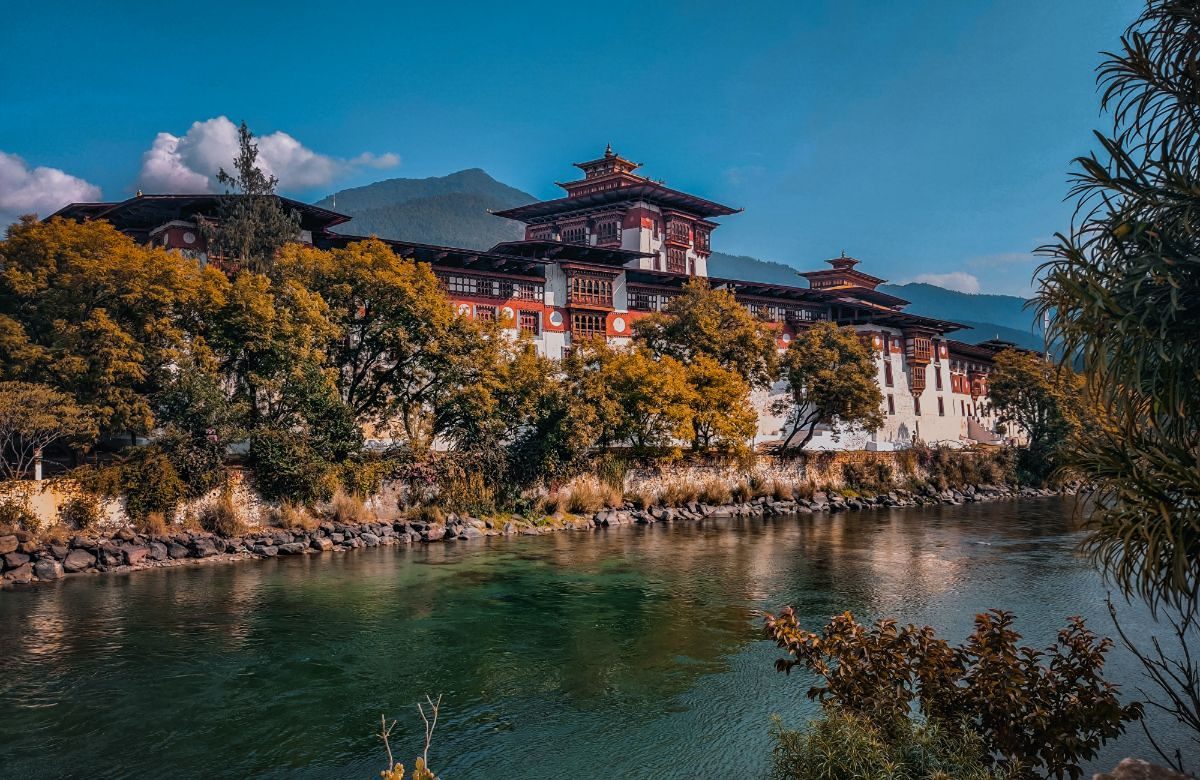
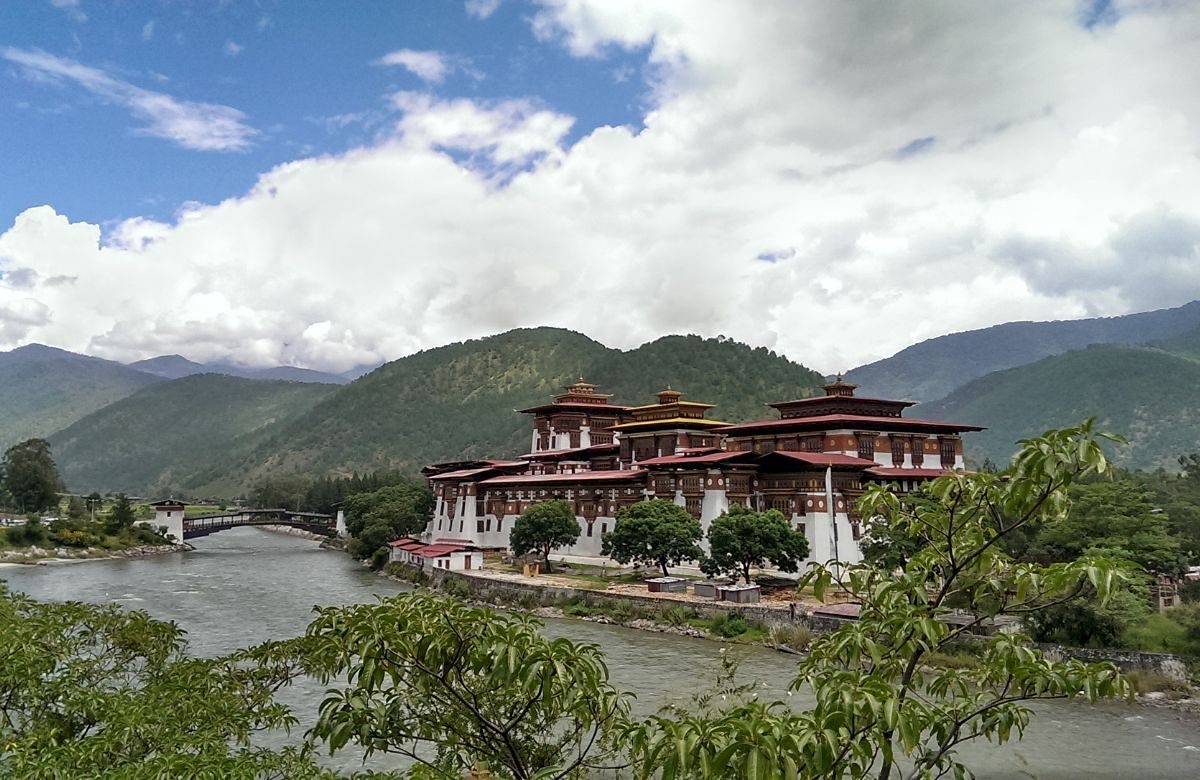
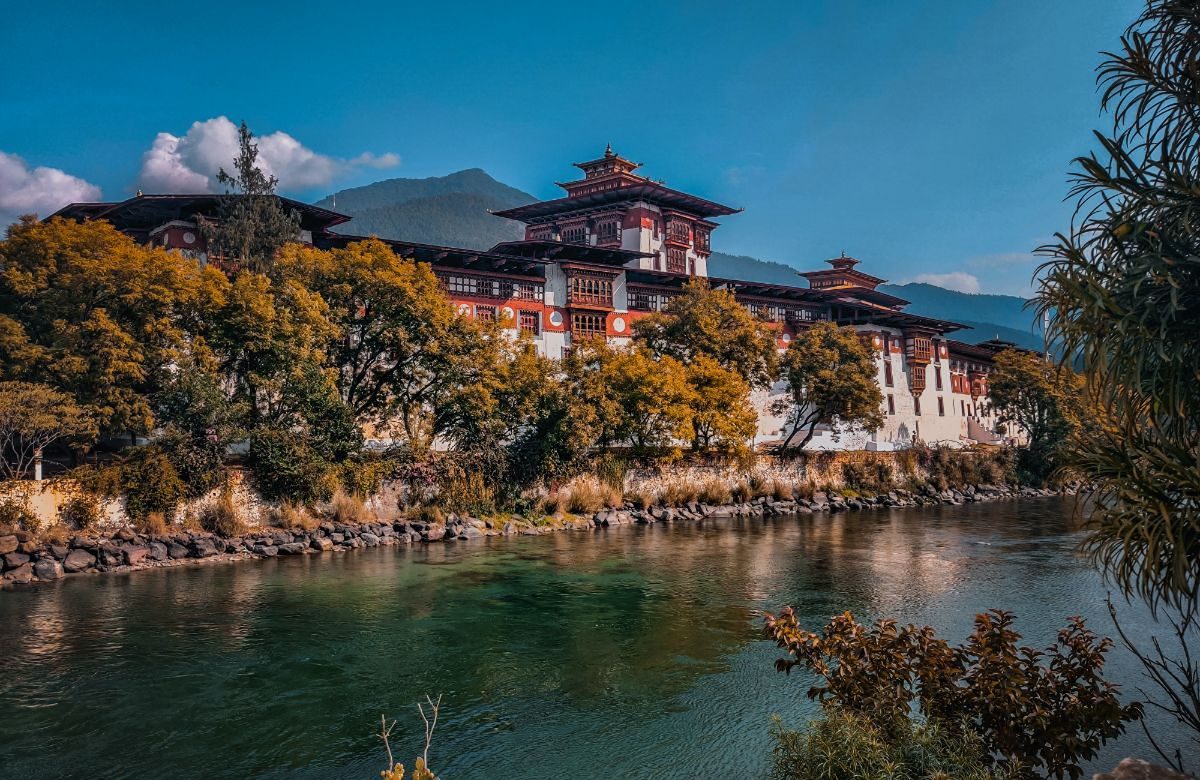
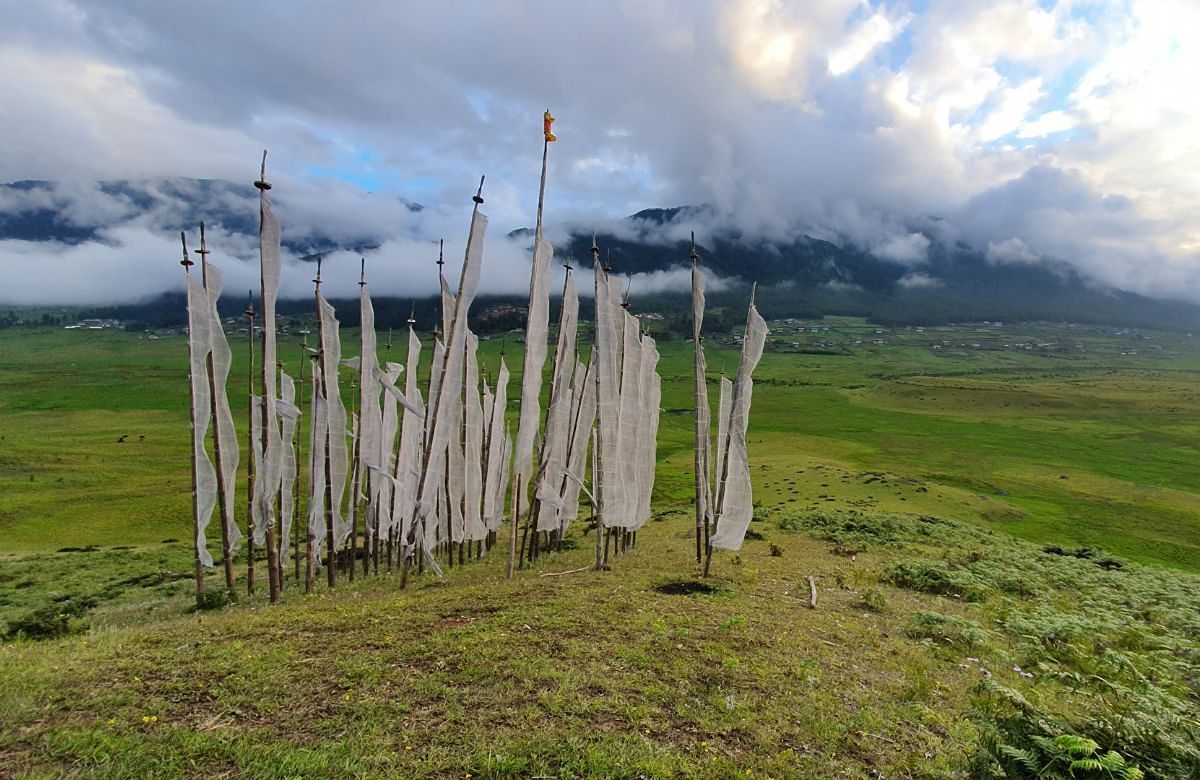
The three western valleys, unhurried: the capital, the pass with 108 chortens, the great fortress at the river junction, and the Tiger’s Nest to finish.
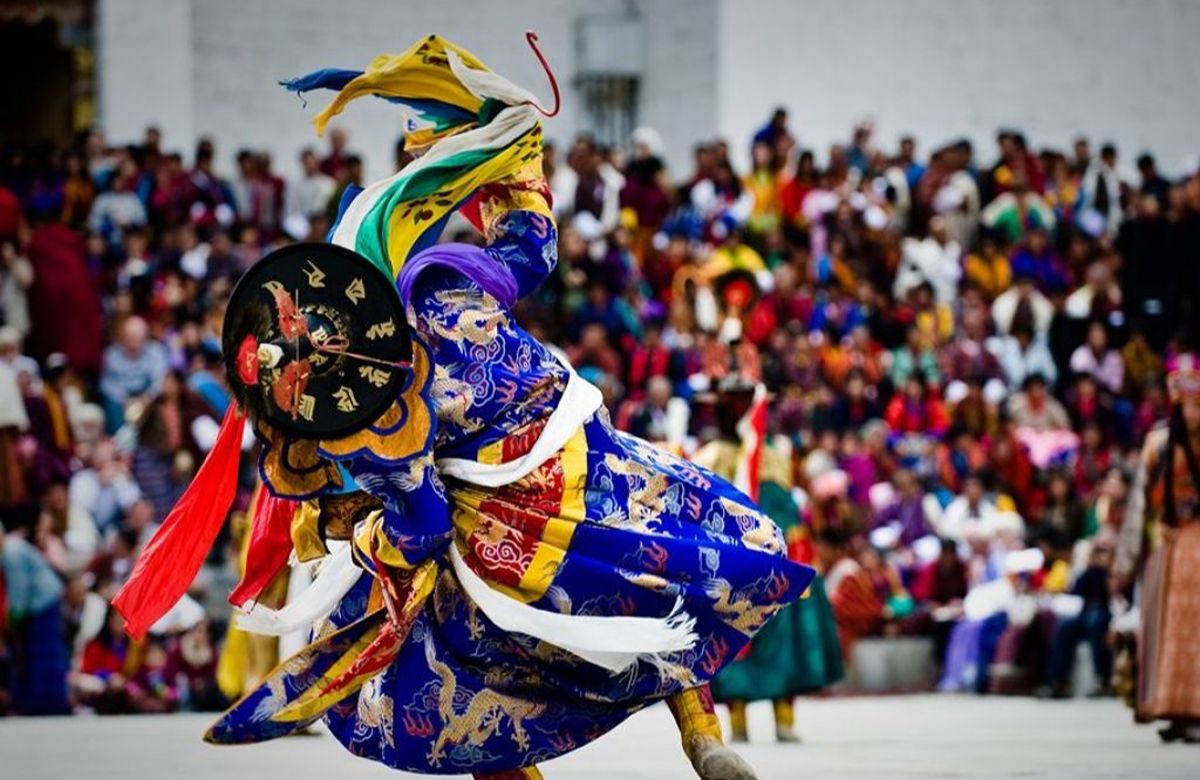
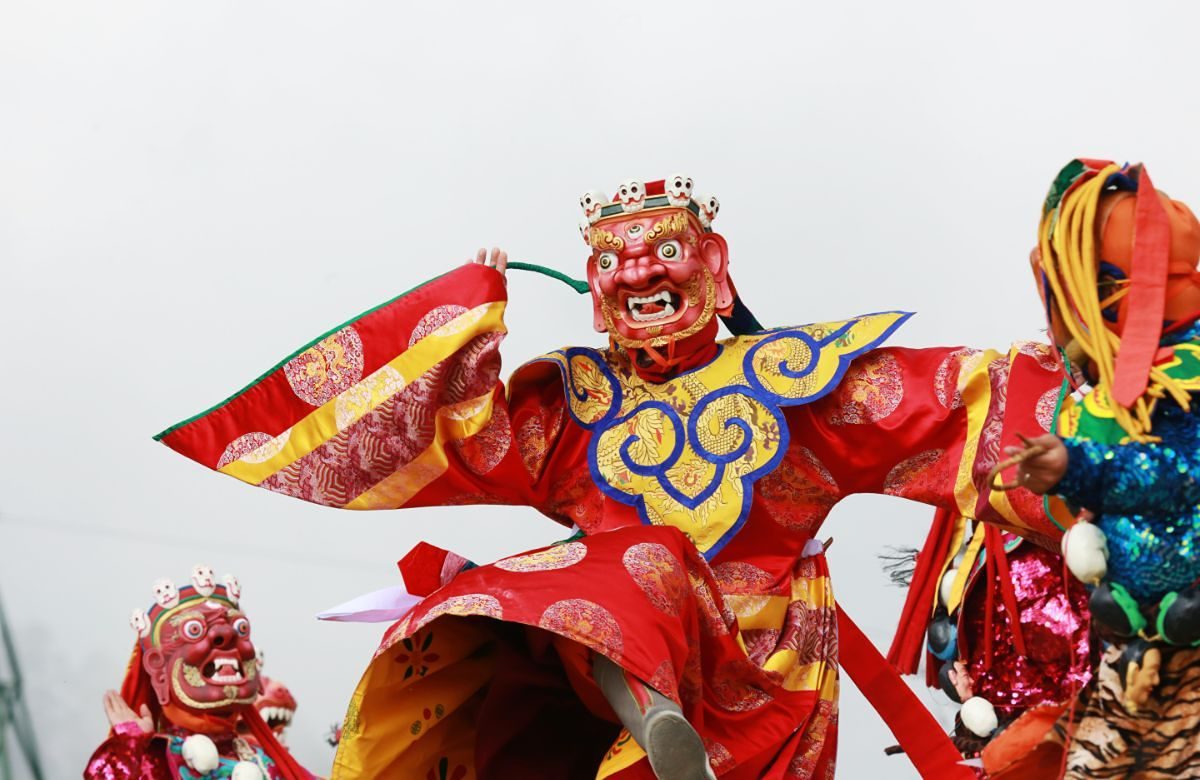
A tshechu is not a performance for visitors — it is the year’s most important religious gathering, and the dances have been danced in that courtyard for centuries.
Your itinerary is written in Haa, not bought from a wholesaler. The guide who meets you at Paro is Bhutanese, licensed, and travels with you the whole way.
Private and genuinely flexible
Your own vehicle and guide from arrival to departure. If the light is good and you want another hour on the ridge, you get another hour on the ridge.
Doors that are not on the map
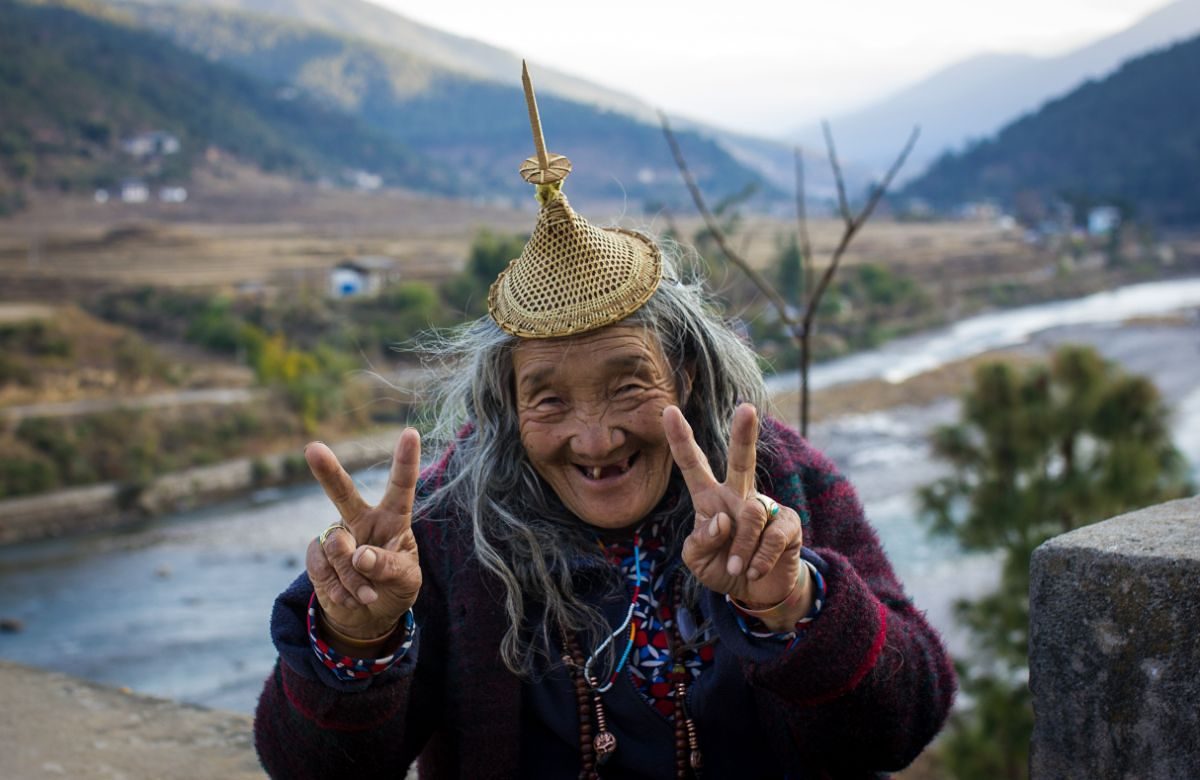
Village lhakhangs, farmhouse kitchens, a weaver's loom in Haa — the parts of a day in Bhutan that come from knowing the family, not from booking a ticket.
Every formality handled
Visa application, the Sustainable Development Fee, hotels, permits and internal flights, confirmed in writing before you pay anything.
A journey here is not a list of monuments. It is a valley, a family, a pass in the cloud, and the conversation you have on the way down.
Jamyang Tourism · Haa, Bhutan
Our valley
Haa: the valley behind the pass.
Two and a half hours from Paro, and almost nobody goes. That is the whole
point.
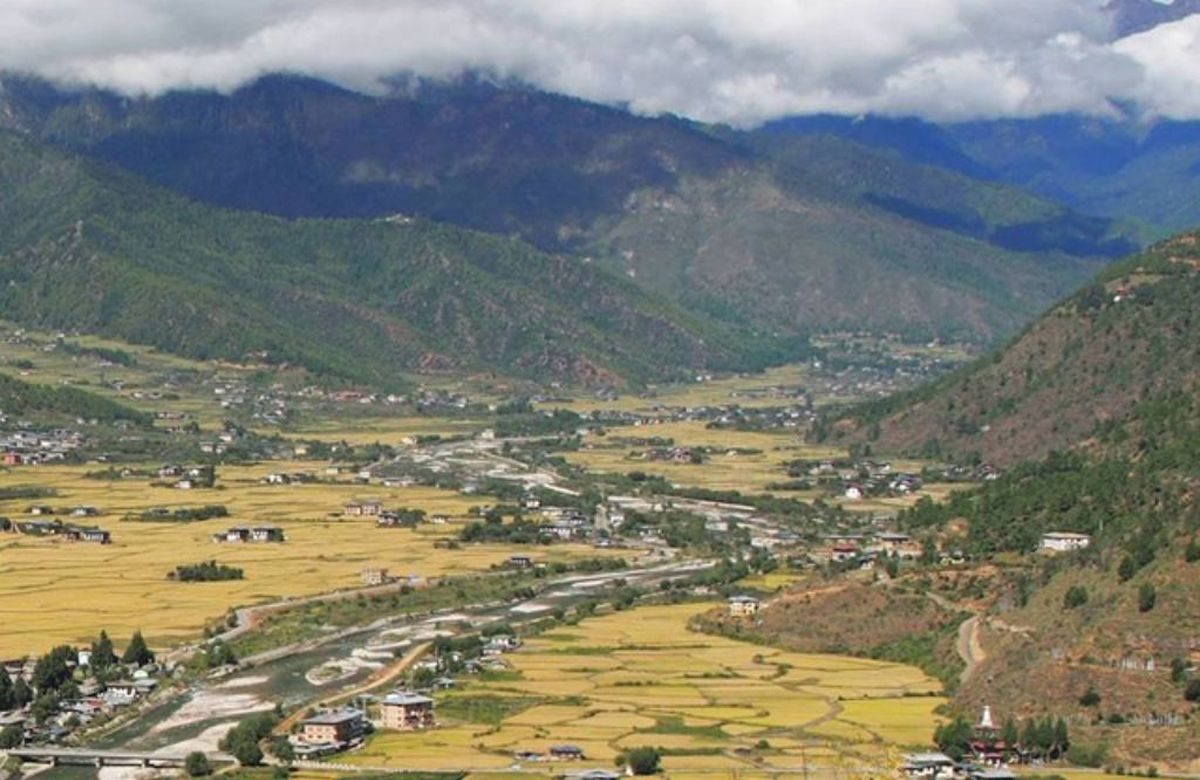
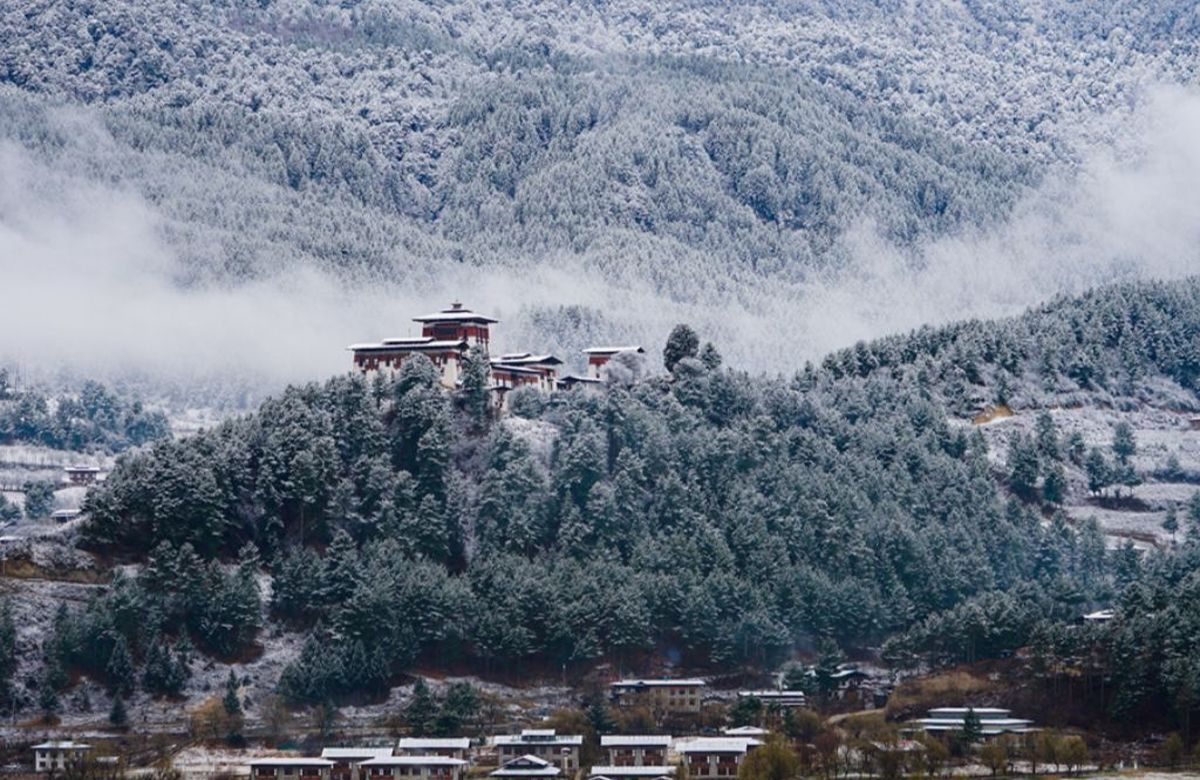
Haa sits at about 2,670 metres along the Haa Chhu, hemmed in by forested ridges and
watched over by Ap Chundu, the valley’s protector deity. Its two oldest temples — Lhakhang
Karpo, the white, and Lhakhang Nagpo, the black — are said to stand where a white dove and
a black dove came to rest.
In July the valley holds its summer festival on the Haa Chhu meadows: yak herders come
down from the high pastures, there is archery and local food, and it remains a village
gathering rather than a spectacle.
Bhutan asks most international visitors for a Sustainable Development Fee of US$100 per adult, per night. Children aged six to twelve pay US$50 and under-sixes are exempt; Indian nationals pay Nu. 1,200. The current rate is confirmed through 31 August 2027.
US$40
The visa application
A one-off, non-refundable application fee of US$40 per person. Apply directly on the Department of Tourism’s online system, or let us submit it with your booking — we do it either way, at no extra charge.
Getting here
Paro is Bhutan’s principal international gateway. Drukair and Bhutan Airlines fly in from Delhi, Kolkata, Guwahati, Bagdogra, Kathmandu, Dhaka, Bangkok, Singapore and Dubai, with seasonal flights from Bodh Gaya. You can also enter overland at Phuentsholing, Gelephu or Samdrup Jongkhar.
Enquire
Tell us your dates. We will write the journey.
Send a rough idea — a month, a number of nights, and what you would like the trip to feel like. You will get a written itinerary and a full quotation back, with nothing to pay while we work it out.