Every Journey is a Story
Home / Plan your trip / The best time to visit Bhutan
Four seasons, four different countries. What changes is the light, the crowd, and what is flowering on the passes.
Spring and autumn are the classic windows and they are busy for good reason. But summer and winter both have arguments in their favour, and far fewer people.
Bhutan runs from about 100 metres in the southern foothills to more than 7,000 metres on the northern frontier, so the country never has one weather. On the same February day you can be in shirtsleeves among Punakha’s rice terraces and standing in snow on Chele La two hours away. Altitude, not the calendar, decides what you should pack.
What follows is what each season actually feels like on the ground, and who it suits. Tell us the month you can travel and we will tell you honestly what you would see, and what you would miss.
Rhododendron and magnolia colour the passes, apple and peach blossom fills the valleys, and the air is mild by day and cold at first light. Paro Tshechu falls in this window. Skies are clear in March and grow hazier as the pre-monsoon builds.
The monsoon greens everything. Rain usually falls at night and in short afternoon bursts rather than all day, and the high peaks stay hidden behind cloud. Haa holds its summer festival in July. Fewest visitors, lowest hotel pressure, and the valleys at their most alive.
The clearest air of the year. Harvest is on in the fields, the big festivals fall in this window, and the mountains stand out sharply from the passes. This is the busiest season — flights into Paro and the better hotels fill months ahead.
Cold, bright and very quiet. Nights drop below freezing in the high valleys but days are often sunny and the mountain views are the sharpest of all. Black-necked cranes are in Phobjikha, Punakha stays mild, and you will have the dzongs nearly to yourself.
Weather in Bhutan is decided by altitude as much as by season — these notes describe the main valleys between roughly 1,200 and 2,700 metres.
Deep winter in the high valleys, mild in Punakha. Cranes still in Phobjikha. Very few visitors; excellent for photography and dzongs without crowds.
Still cold, still clear. Punakha’s Drubchen and Tshechu usually fall in late winter. Cranes begin leaving Phobjikha towards the middle of the month.
Days warm quickly, blossom starts in the valleys and the rhododendron begins on the lower passes. Paro Tshechu often falls in late March or April.
The passes are at their most colourful and trekking routes open up. Warm days, cold mornings. One of the two most popular months of the year.
Hot in the low valleys, comfortable higher up, and the last clear spell before the rain. Ura Yakchoe usually falls this month or in late April.
The monsoon builds. Afternoon showers, cloud on the peaks and very green valleys. Good value, few people, and the culture is unaffected by weather.
Wettest weeks of the year, mostly overnight. The Haa Summer Festival brings yak herders down to the meadows by the river. Leeches on forest trails.
Rain begins to ease late in the month and the first clear mornings return. Wild flowers are at their best in the high pastures.
The monsoon withdraws, the air washes clean and trekking season restarts. Thimphu Tshechu usually falls in late September or October.
Cool, dry and bright, with harvest in the fields and the mountains sharp from every pass. The busiest month — book well ahead.
Clear and cold. Black-necked cranes arrive in Phobjikha and Gangtey marks their return with a festival in the monastery courtyard.
Cold mornings, sunny days and empty dzongs. Trongsa and Trashigang hold their tshechus around this time. Excellent mountain visibility.
October and November, then December to February. The air is driest after the monsoon and before the spring haze, and the peaks stand clear from Dochula and Chele La.
April to early June, and late September to November. Outside those windows the high passes carry snow or the trails are wet, and camps are less comfortable.
June to August and January to February. The same guides, the same valleys and the same dzongs, with a fraction of the visitors and easier availability.
For March–May and September–November, six to nine months is sensible: the Paro flights and the better hotels fill first, and festival weeks fill fastest of all. Outside those windows, six to eight weeks is usually enough.
In the main valleys — Paro, Thimphu, Bumthang — winter nights fall below freezing while days are often sunny and pleasant in the sun. Punakha, at about 1,250 metres, stays mild all winter. On the passes it can snow between December and March.
Not for a cultural journey. Rain mostly falls at night, the valleys are green and the dzongs and festivals are unaffected. It is a poor time for mountain views and a difficult one for trekking.
They are usually present in Phobjikha from late October until mid-February. Sightings are seasonal and never guaranteed, but the valley is protected for them and the information centre there is a reliable place to watch from.
Tell us your dates and what you would like the journey to include. You will get a written day-by-day itinerary and a full quotation back, with nothing to pay while we work it out.
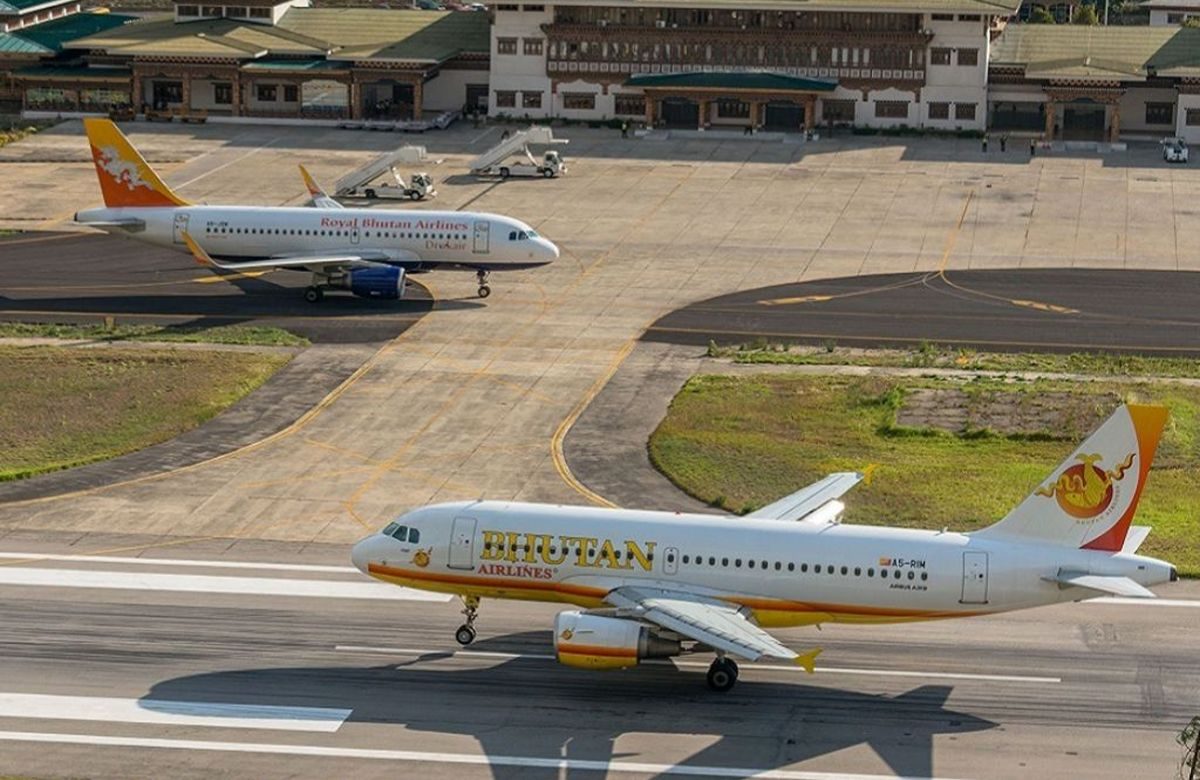
By air into Paro, or overland from India — the routes, the airlines and the connections th…
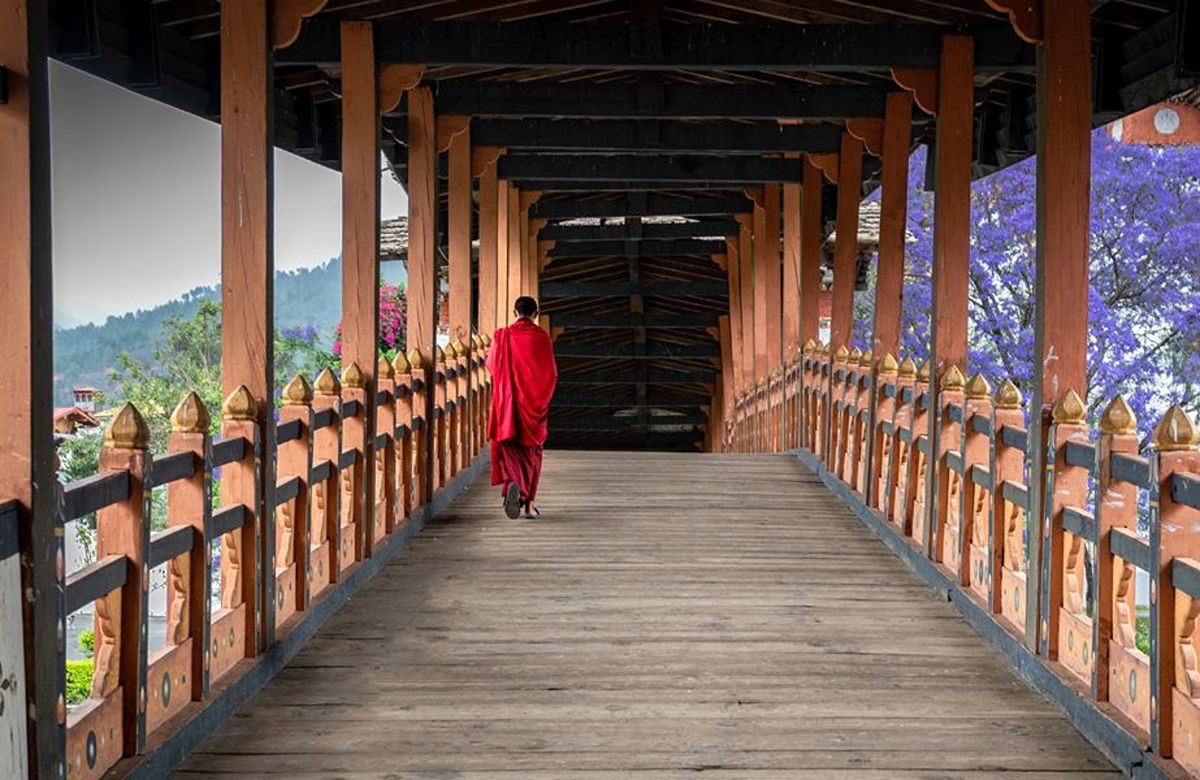
Exactly what Bhutan asks of a visitor, what it costs, and which parts we handle for you.…
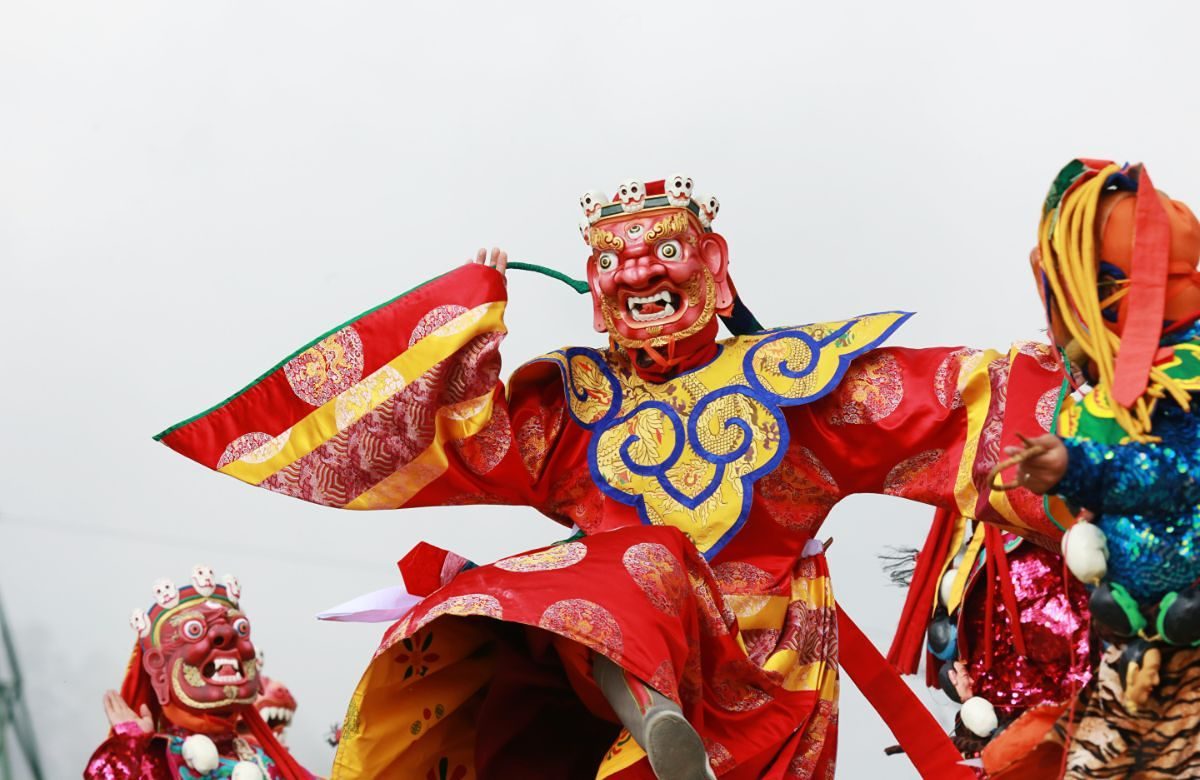
Tshechu dates move with the lunar calendar. Here is what happens when, and how to plan a j…