Every Journey is a Story
Home / Plan your trip / Bhutan's festival calendar
Tshechu dates move with the lunar calendar. Here is what happens when, and how to plan a journey around one.
Every district holds one in honour of Guru Rinpoche, with masked cham dance in the dzong courtyard and the whole valley present in its best kira and gho.
The dances are not performances laid on for visitors. They are liturgy: each mask, each step and each sequence carries meaning, and the atsara clowns who work the crowd have a religious function of their own. People come to receive blessing, to meet relatives and to spend a long day sitting on the ground with a flask of tea.
Dates follow the Bhutanese lunar calendar and therefore move every year against the Gregorian one. They are published annually by the Department of Tourism. Tell us the month you can travel and we will tell you which festivals fall inside it for that year.
Punakha Dzong, usually February or March. The Drubchen re-enacts a seventeenth-century battle with local militia in period dress, and the Tshechu follows immediately after.
Bumthang, usually February. Highland communities come down with yak wool, cheese and textiles — a trade fair as much as a festival, and quite unlike a dzong tshechu.
Paro Dzong, usually March or April, and one of the two largest in the country. On the final morning a giant applique thangka is unfurled before dawn and rolled away by sunrise.
Ura valley, Bumthang, usually April or May. A village festival in the highest and most photogenic of the Bumthang valleys, centred on a sacred relic brought out once a year.
Haa, each July, on the meadows beside the Haa Chhu. Yak herders come down from the high pastures; there is archery, khuru, local food and dancing. A cultural festival, not a tshechu.
Tashichho Dzong, usually late September or October, and the largest gathering of the year. Three days of dance in front of tens of thousands of people.
Bumthang, usually October or November, at one of the oldest temples in the country. Known for the fire ceremony and the naked dance performed after midnight.
Gangtey Goenpa, Phobjikha, in November, marking the return of the cranes from the Tibetan plateau. Schoolchildren perform crane dances in the monastery courtyard.
Central and eastern Bhutan, usually around December or January. Far fewer visitors, and a good reason to travel east in the clearest months of the year.
The courtyard fills long before the first dance. We aim to be there at opening so you have a place to sit and your guide can explain each dance as it begins.
Modest dress: covered shoulders and knees, long sleeves and long trousers or a skirt. A festival is a religious occasion and locals arrive in their finest.
Photographing the dances is generally accepted; photographing people needs the same courtesy it would anywhere. Some inner sanctums prohibit cameras — your guide will say when.
The Bhutanese calendar is lunar, so festival dates shift against the Gregorian calendar and are confirmed annually by the Department of Tourism. A festival that fell in late September one year may fall in early October the next.
No operator can. Seating in a dzong courtyard is not allocated and we would not promise otherwise. What we can do is get you there early, which is what actually matters.
The large ones are — Paro and Thimphu draw enormous crowds, and hotels in those valleys book out months ahead. Village tshechus are far quieter and, for many travellers, more rewarding.
One or two days at a festival is usually enough, and the rest of the journey benefits from being planned around the valleys rather than the calendar. We build it either way.
Tell us your dates and what you would like the journey to include. You will get a written day-by-day itinerary and a full quotation back, with nothing to pay while we work it out.
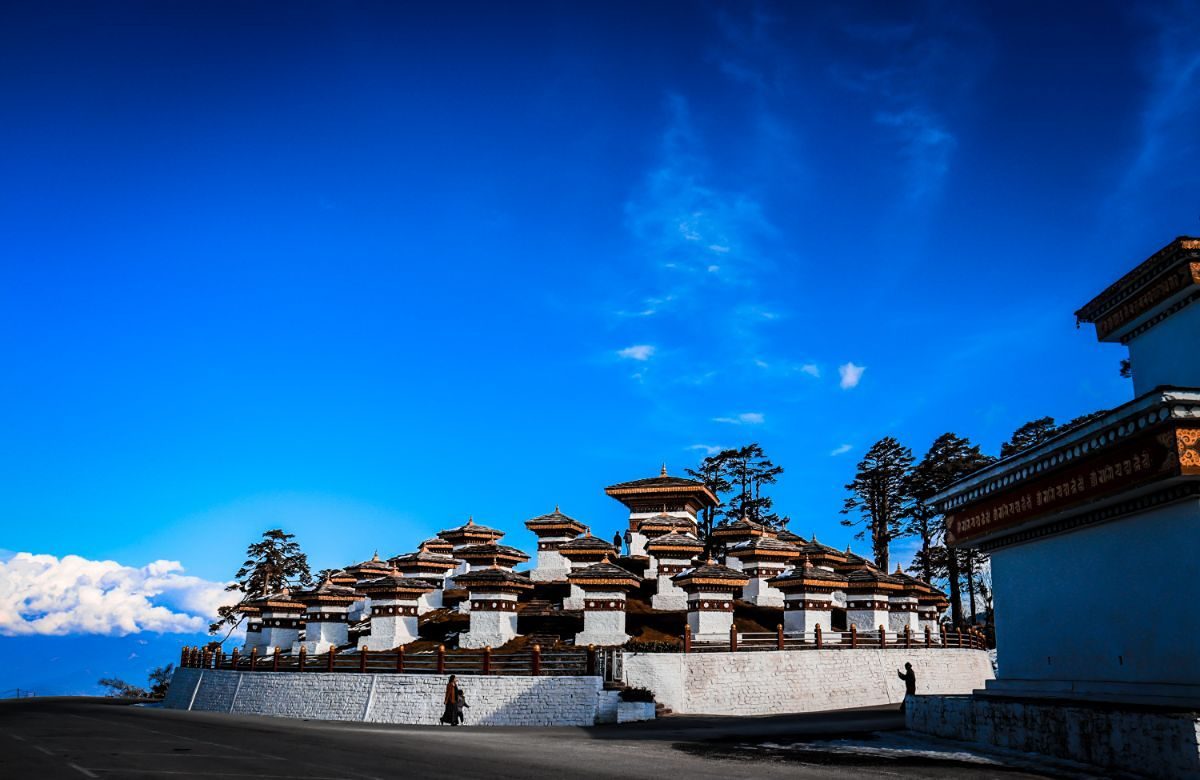
Four seasons, four different countries. What changes is the light, the crowd, and what is …
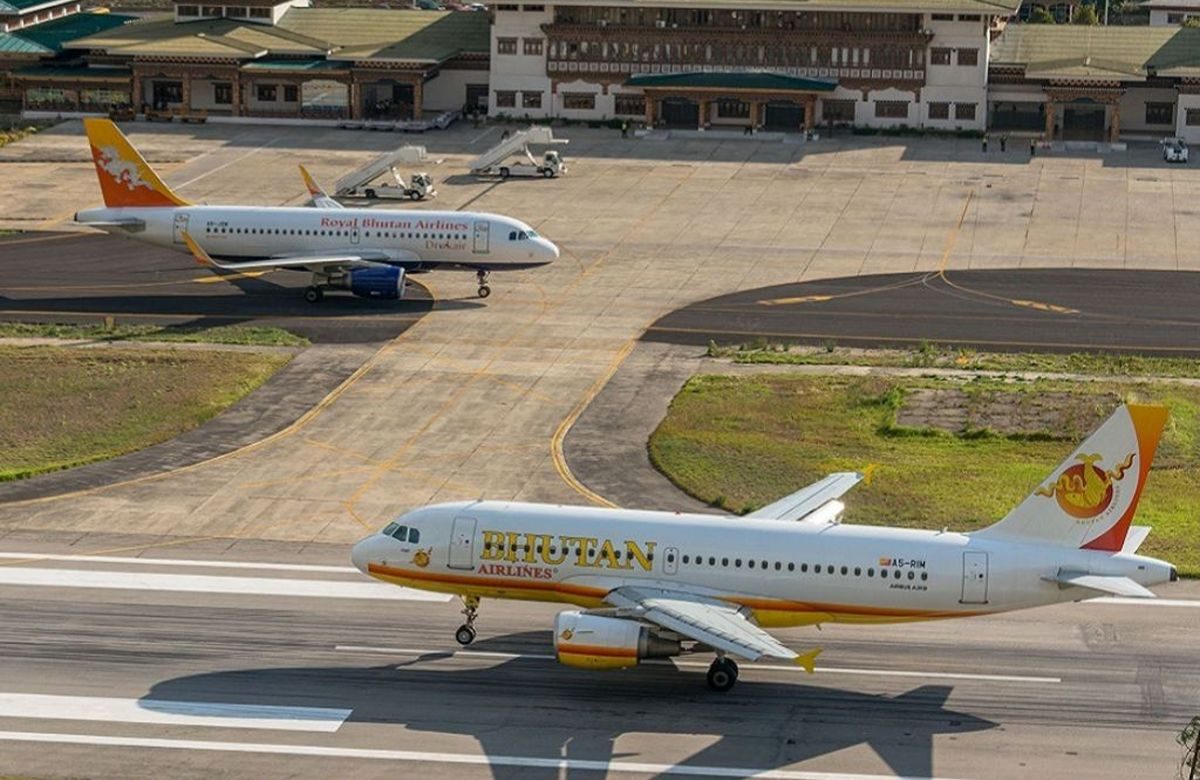
By air into Paro, or overland from India — the routes, the airlines and the connections th…
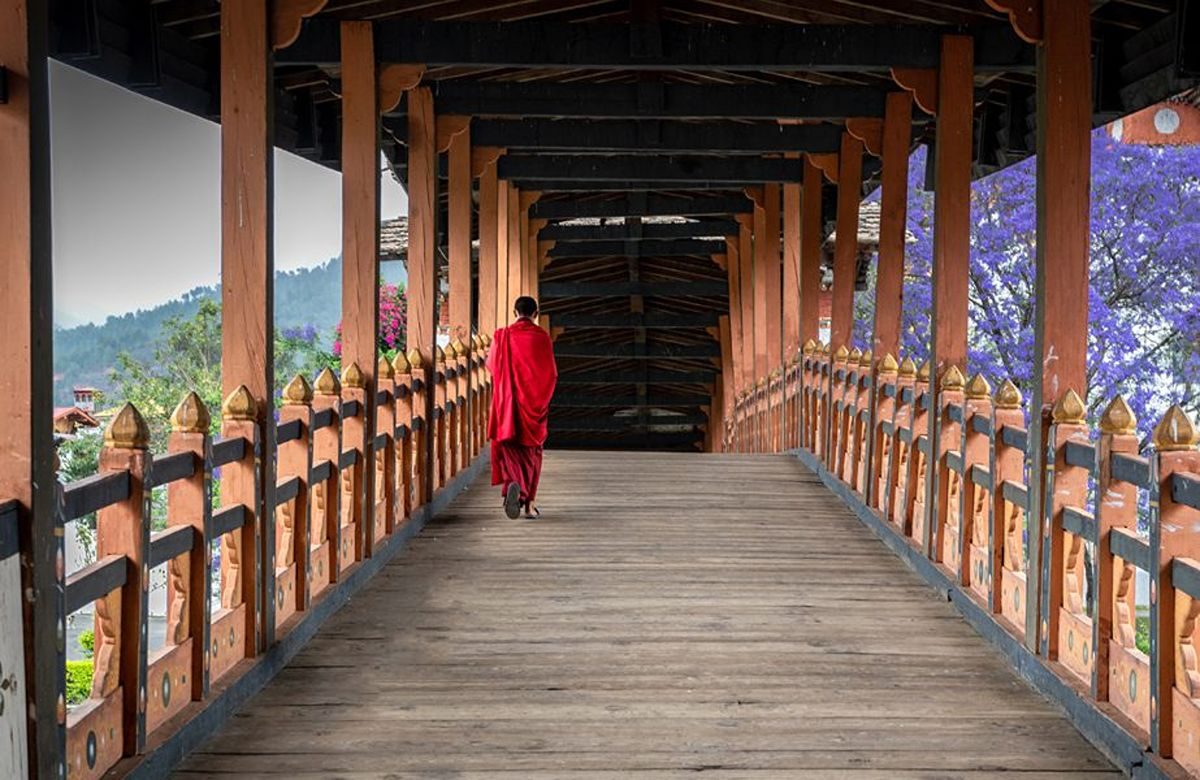
Exactly what Bhutan asks of a visitor, what it costs, and which parts we handle for you.…