Every Journey is a Story
Four nights, two of them walking Haa to Paro
Two days on foot over the ridge that separates Haa from Paro — the old way between the valleys, before the road went over Chele La.
Before the road, people walked between Haa and Paro, and the Sagala route is the way they went. It is the gentlest of Bhutan’s treks: two walking days, a high point of about 3,550 m, one night under canvas, and a view from the ridge that on a clear day takes in Jomolhari and half of western Bhutan. It suits anyone comfortable with a long day’s hill walking, and it is the journey we recommend to travellers who want to see Bhutan on foot without committing a fortnight to it.
Suits walkers who want a night under canvas without committing to a full trek. You should be comfortable walking five to six hours on consecutive days on rough ground.
Where you sleep, and for how long. Every transfer is by private vehicle with your guide.
Distances and walking times are honest estimates for an unhurried pace. Nothing here is fixed — we move days around to suit the weather, the festival calendar and how you are feeling.
Met at the airport and driven over Chele La at 3,988 m into Haa. The afternoon is for the two temples and an early night; your walking gear is checked before dinner.
Haa · 3 hours driving · Pass 3,988 m
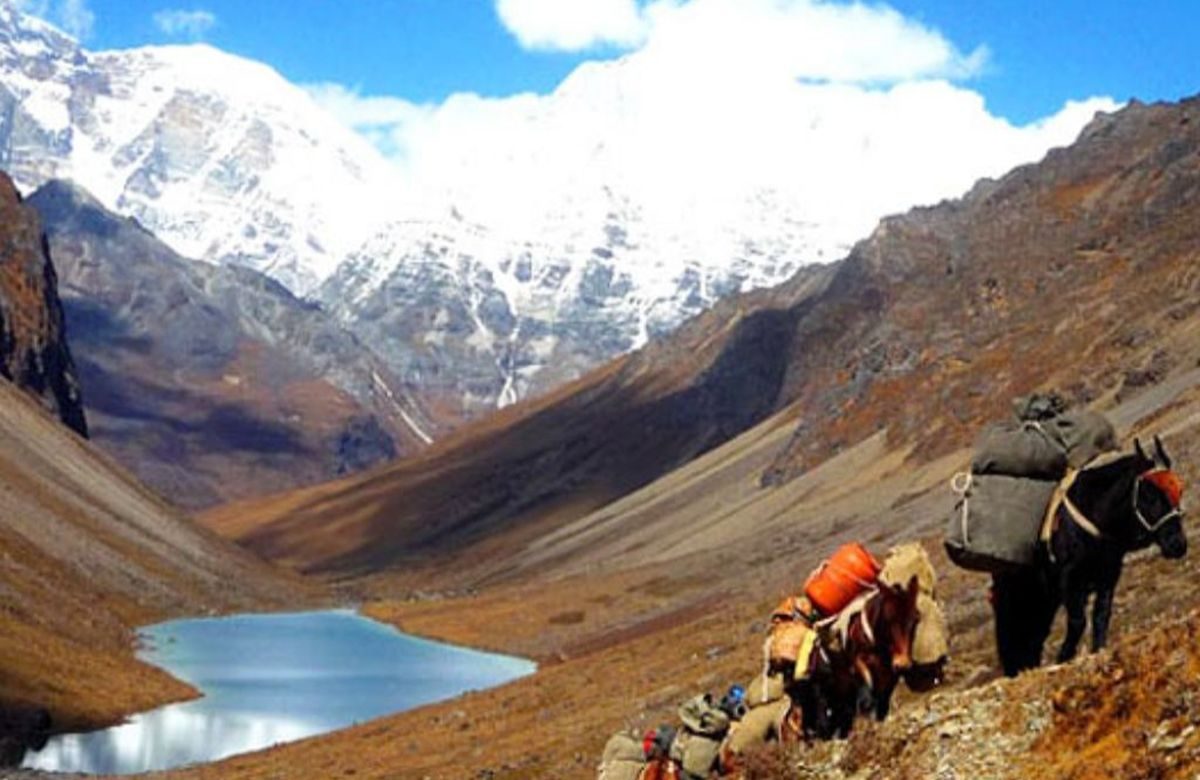
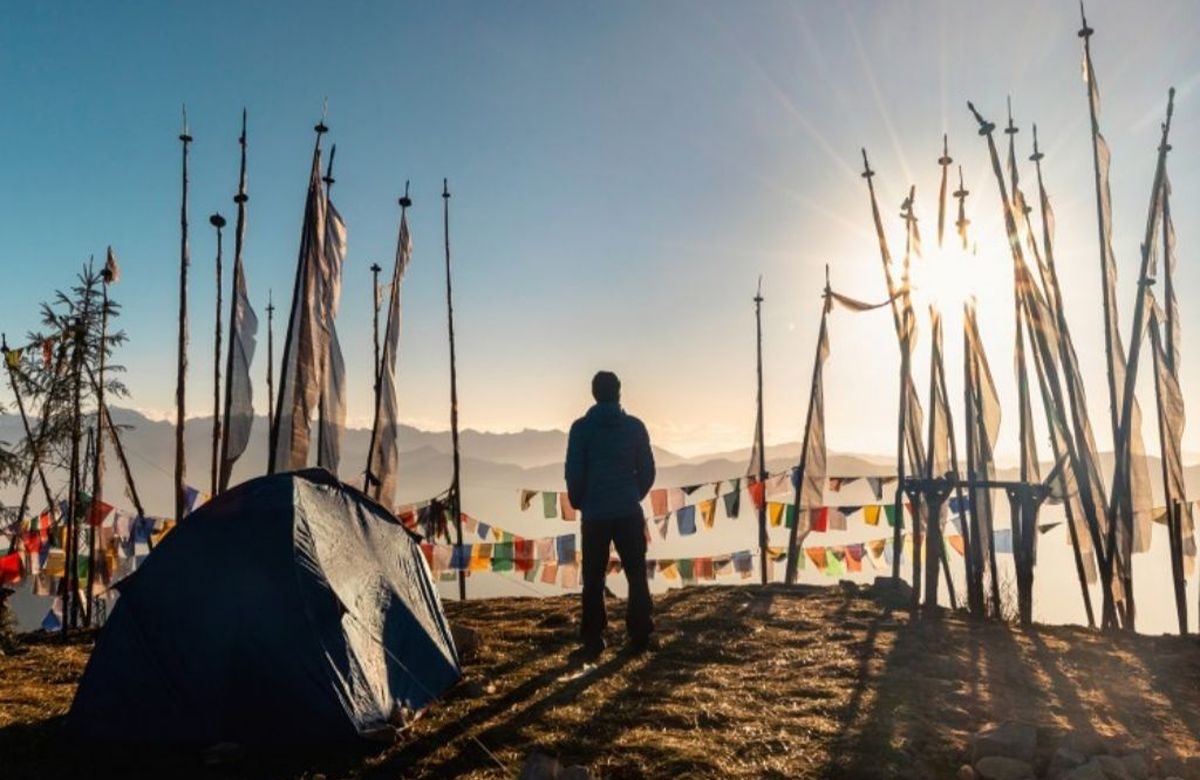
We start from the valley floor and climb steadily through blue pine and rhododendron to open pasture, roughly five to six hours with a packed lunch on the way. Camp is set on the ridge at about 3,300 m; the horses carry everything but your daypack.
Camp 3,300 m · 5–6 hours walking · 800 m ascent
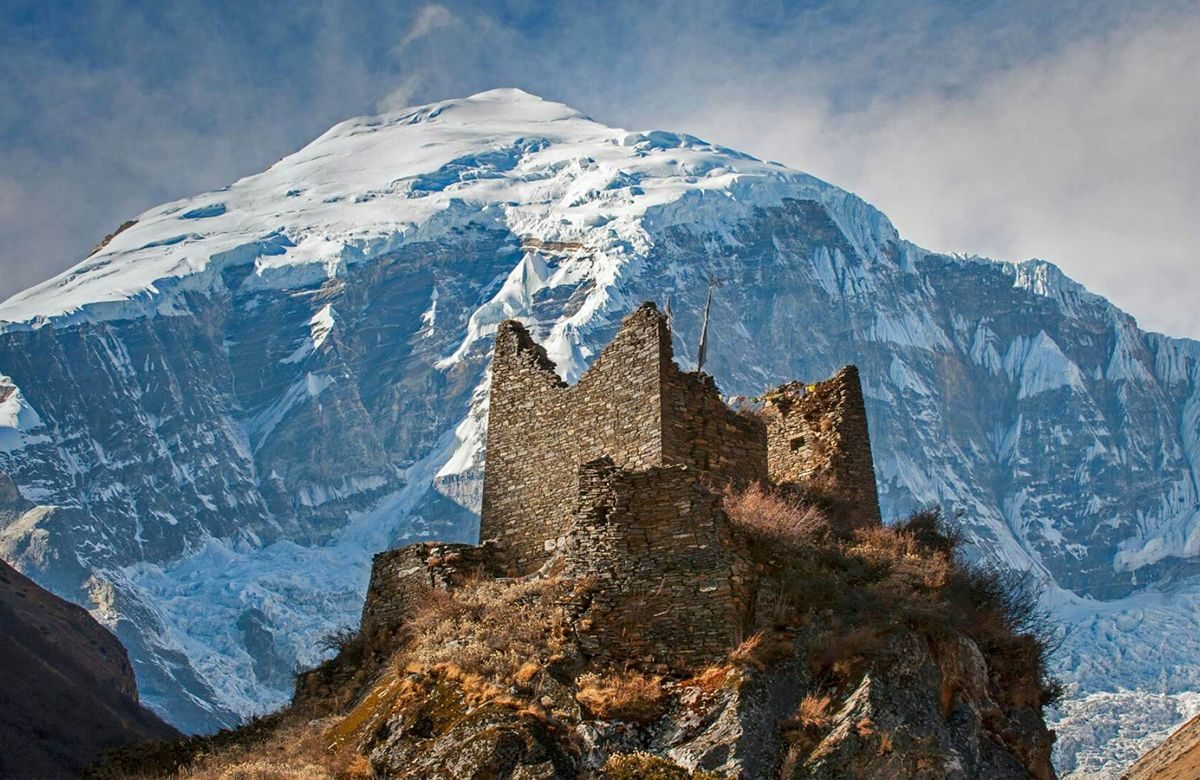
The pass at about 3,550 m comes early, and with it the view — Jomolhari to the north on a clear morning, and the Paro valley opening below. A long descent through forest brings us to the road at Bitekha and a vehicle to your hotel, and a hot shower.
Paro · 6 hours walking · Pass 3,550 m
Paro Taktsang, earned. Around 900 m of ascent, four to five hours in total, and an afternoon in the old town afterwards.
Paro · 4–5 hours walking · 900 m ascent
Breakfast and the drive to the airport.
Paro · 20 minutes · Departure
Altitudes and walking times are approximate and vary with conditions. Festival dates follow the Bhutanese lunar calendar and are confirmed annually by the Department of Tourism, so festival journeys are built around the year’s published dates. Road works and weather can change a driving day; your guide will always discuss an alternative with you before anything is changed.
Yes — every journey we publish is a starting point. Add a valley, drop a dzong, move the whole thing to a festival week, or slow the whole pace down. Most itineraries go through two or three drafts before anyone books anything.
Only the people you book with. Every journey is private: your own guide, your own vehicle and your own driver, whether you are one traveller or eight.
You get a written day-by-day itinerary with hotels named and a full quotation, usually within one to two working days. Nothing is payable while we work it out.
For March–May and September–November, six to nine months ahead — the Paro flights and the better hotels fill first. Off-season, six to eight weeks is usually enough.
Written itinerary and full quotation, usually within one working day.
Every journey is private and rewritten around you — add a valley, add days in Haa, or move the whole thing to festival week.
Tell us your dates and how many of you there are, and we will come back with a written day-by-day itinerary for The Sagala Ridge Walk and a full quotation. No deposit, no obligation, and a real person answering.
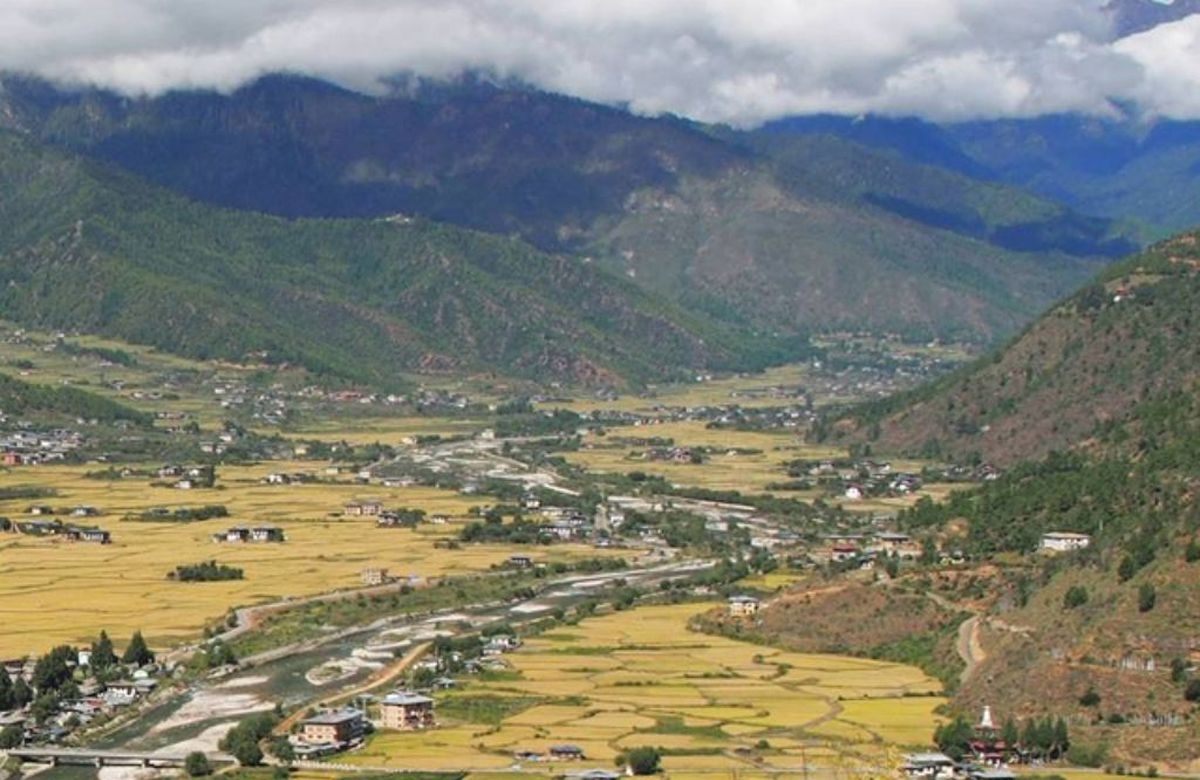
Paro · Haa · Thimphu
Cross Chele La at 3,988 m into the valley that only opened to visitors in 2002 — barley fields, blue pine, two ancient temples and the people we grew up with.
Tailor-made
Quotation by email
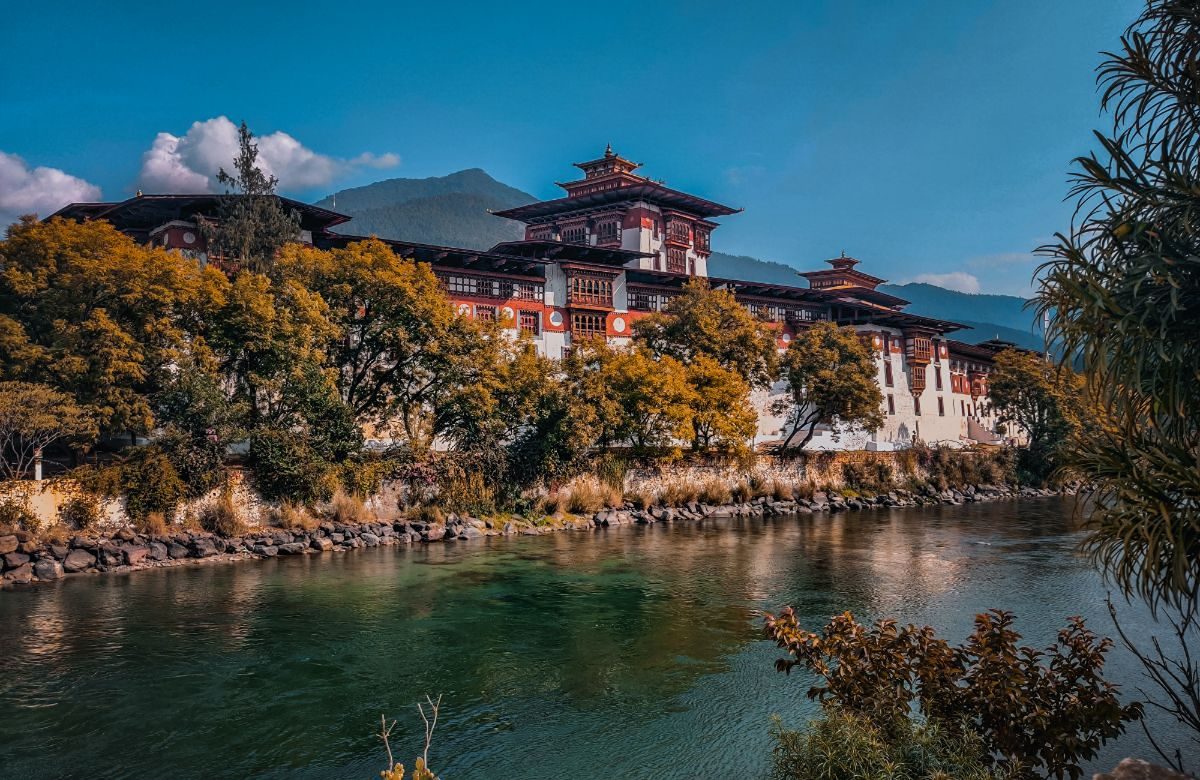
Paro · Thimphu · Punakha
The three western valleys, unhurried: the capital, the pass with 108 chortens, the great fortress at the river junction, and the Tiger’s Nest to finish.
Tailor-made
Quotation by email
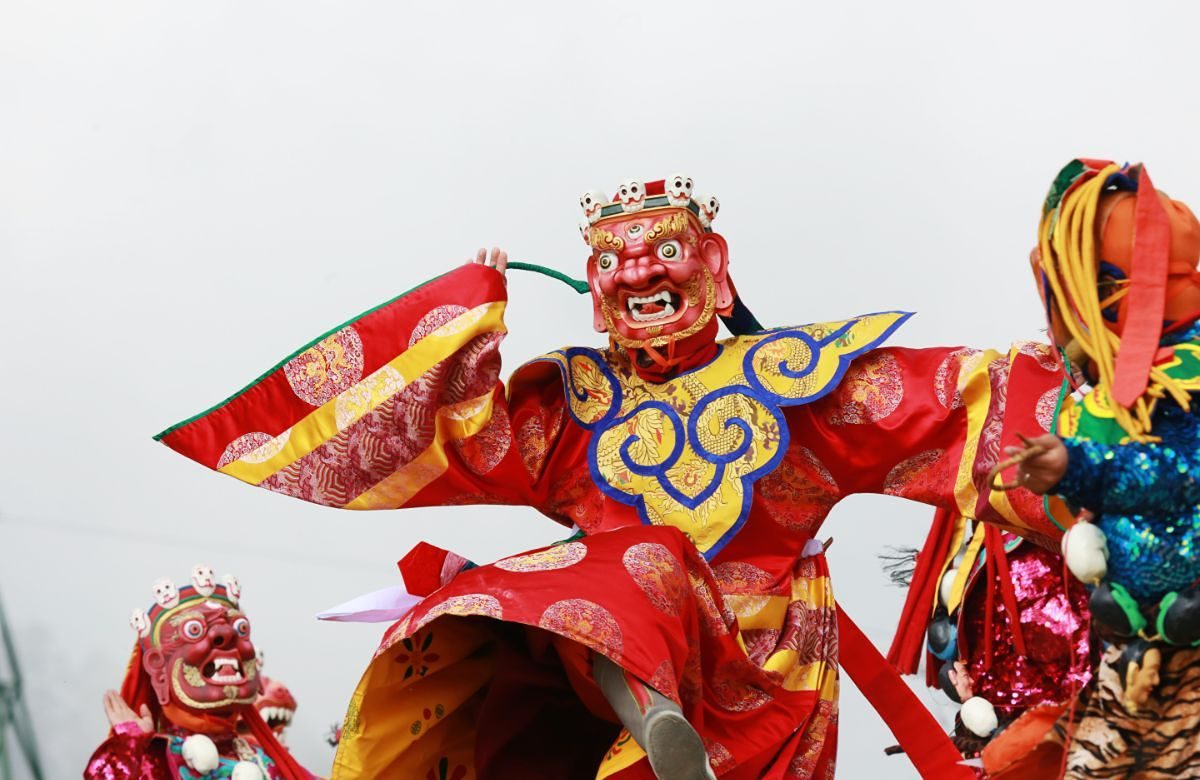
Paro · Festival valley · Punakha or Haa
A tshechu is not a performance for visitors — it is the year’s most important religious gathering, and the dances have been danced in that courtyard for centuries.
Tailor-made
Quotation by email