Every Journey is a Story
Seven nights built around a tshechu
A tshechu is not a performance for visitors — it is the year’s most important religious gathering, and the dances have been danced in that courtyard for centuries.
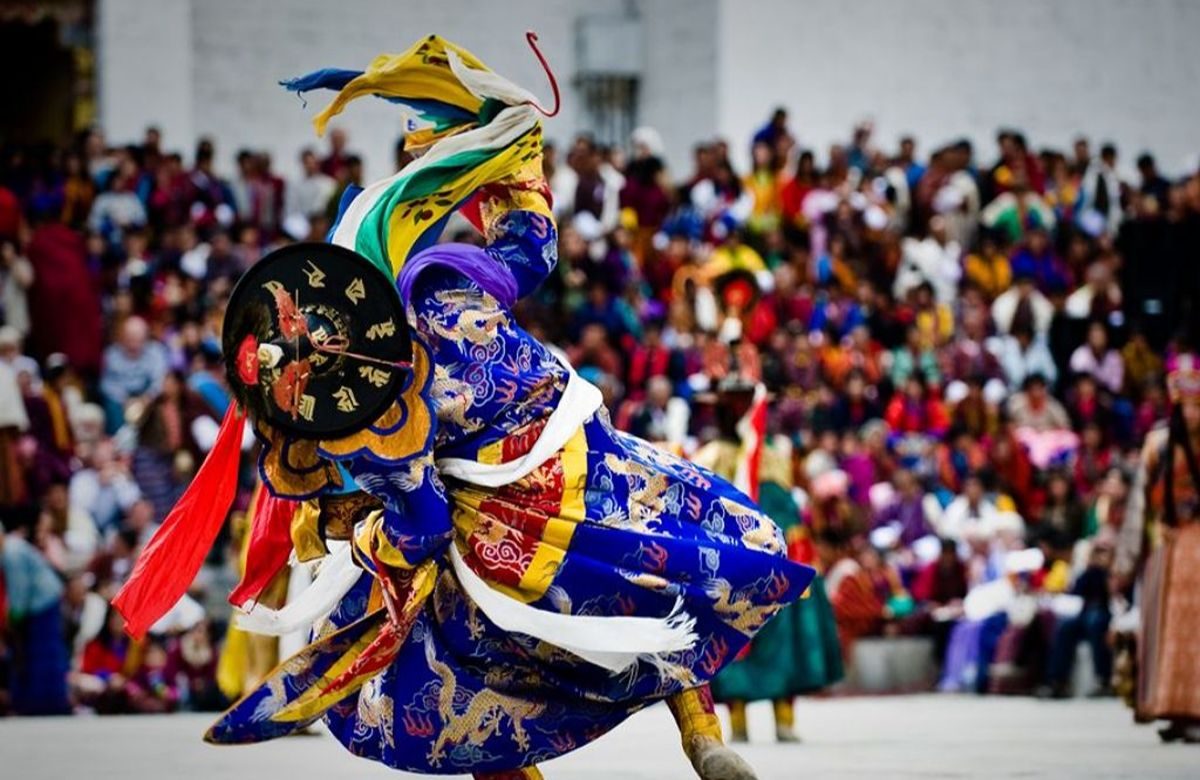
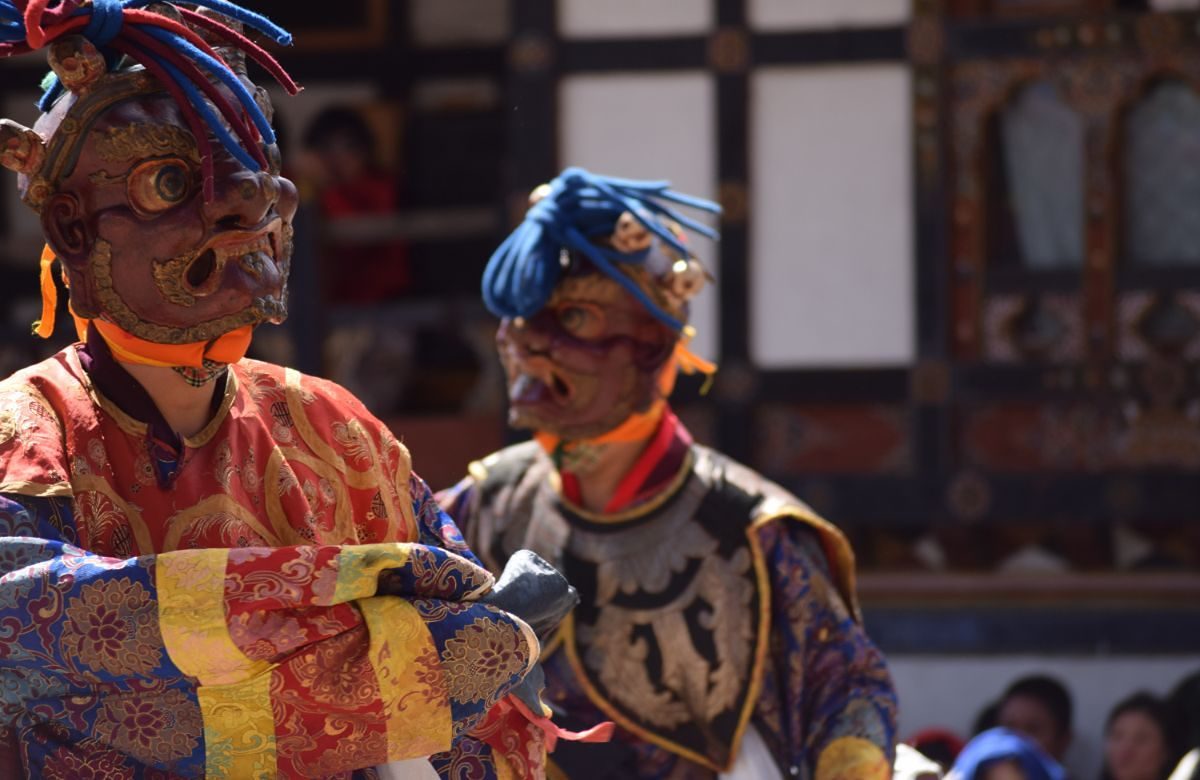
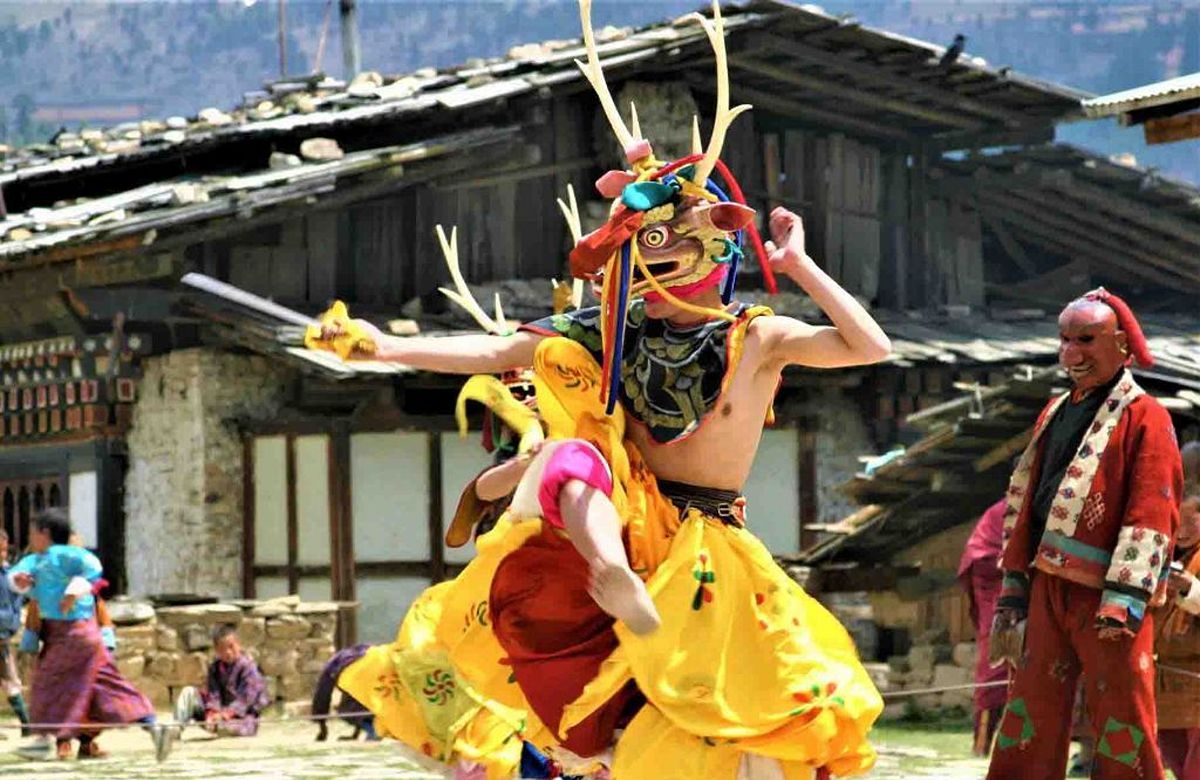
Every district in Bhutan holds a tshechu, a festival of masked cham dance in honour of Guru Rinpoche, and the whole valley comes in its best kira and gho. We build this journey around whichever tshechu falls inside your travel window — Paro and Thimphu are the largest, Haa’s own festivals the most intimate, and the smaller village tshechus the ones we like best. Festival dates follow the Bhutanese lunar calendar and shift every year, so tell us your month and we will tell you what is on.
Suits travellers who want the cultural calendar rather than the trekking one, and photographers. Festival days are long, crowded and largely spent standing or sitting on the ground.
Where you sleep, and for how long. Every transfer is by private vehicle with your guide.
Distances and walking times are honest estimates for an unhurried pace. Nothing here is fixed — we move days around to suit the weather, the festival calendar and how you are feeling.
Met at the airport, an easy afternoon in the valley, and a briefing over dinner about the festival days ahead — what will happen, when it starts, and what it means.
Paro · Altitude 2,200 m · Arrival
We arrive early, before the courtyard fills, and stay through the morning cycle of dances. Your guide will tell you what each mask is and why it moves the way it does. Afternoons at a tshechu are long and social; we leave when you have had enough.
Festival · Full day · Dzong courtyard
The second day carries different dances, and often the ones people travel furthest to see. In between there is the ground outside the dzong: archery, food stalls, family groups spread on blankets, and children in silk.
Festival · Full day · Photography
We leave the festival behind and drive east — over Dochula to Punakha, or west to Haa, depending on the year. Either way the afternoon ends in a valley with a fortress and a river.
Punakha or Haa · 3 hours driving · Mountain pass
A full day in the valley: the dzong in the morning when the light is on the courtyard, a walk through rice or barley in the afternoon, and a village temple that sees perhaps ten visitors a month.
Punakha or Haa · 2–3 hours walking · Village
A driving day back through the passes, with the stops you asked for and a nunnery or roadside chorten we like along the way.
Paro · 4 hours driving · Scenic route
The climb to Paro Taktsang, quieter now that the festival crowds have gone home. Around 900 m of ascent and four to five hours in total, ending at the monastery on its cliff.
Paro · 4–5 hours walking · 900 m ascent
The drive back down to the airport and your flight home.
Paro · 20 minutes · Departure
Altitudes and walking times are approximate and vary with conditions. Festival dates follow the Bhutanese lunar calendar and are confirmed annually by the Department of Tourism, so festival journeys are built around the year’s published dates. Road works and weather can change a driving day; your guide will always discuss an alternative with you before anything is changed.
Yes — every journey we publish is a starting point. Add a valley, drop a dzong, move the whole thing to a festival week, or slow the whole pace down. Most itineraries go through two or three drafts before anyone books anything.
Only the people you book with. Every journey is private: your own guide, your own vehicle and your own driver, whether you are one traveller or eight.
You get a written day-by-day itinerary with hotels named and a full quotation, usually within one to two working days. Nothing is payable while we work it out.
For March–May and September–November, six to nine months ahead — the Paro flights and the better hotels fill first. Off-season, six to eight weeks is usually enough.
Written itinerary and full quotation, usually within one working day.
Every journey is private and rewritten around you — add a valley, add days in Haa, or move the whole thing to festival week.
Tell us your dates and how many of you there are, and we will come back with a written day-by-day itinerary for Festival & Fortress and a full quotation. No deposit, no obligation, and a real person answering.
Paro · Haa · Thimphu
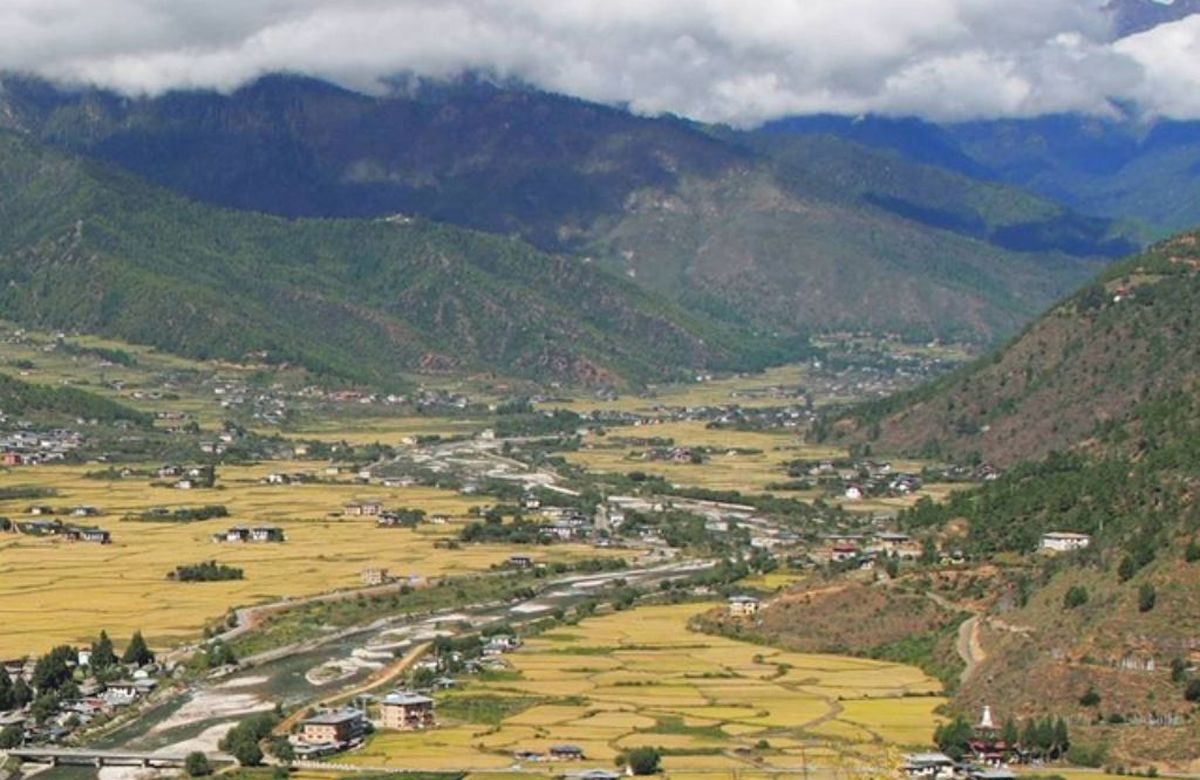
Cross Chele La at 3,988 m into the valley that only opened to visitors in 2002 — barley fields, blue pine, two ancient temples and the people we grew up with.
Tailor-made
Quotation by email
Paro · Thimphu · Punakha
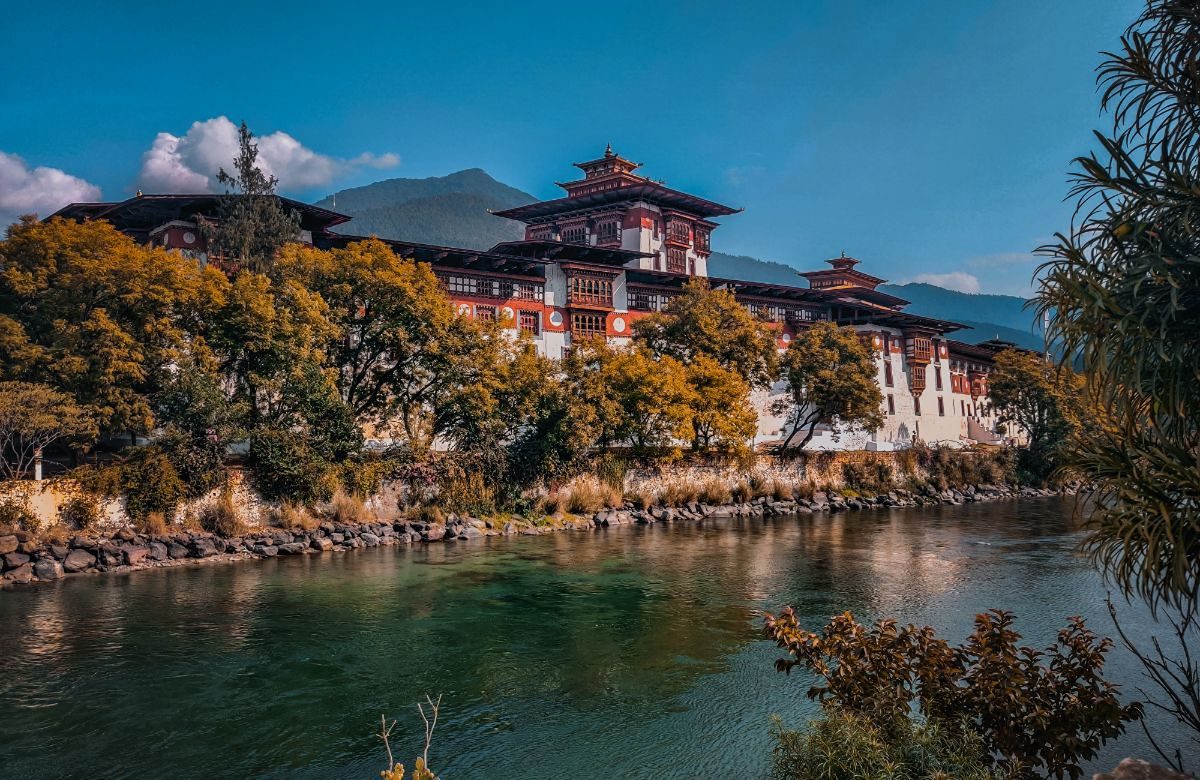
The three western valleys, unhurried: the capital, the pass with 108 chortens, the great fortress at the river junction, and the Tiger’s Nest to finish.
Tailor-made
Quotation by email
Paro · Thimphu · Punakha · Phobjikha · …
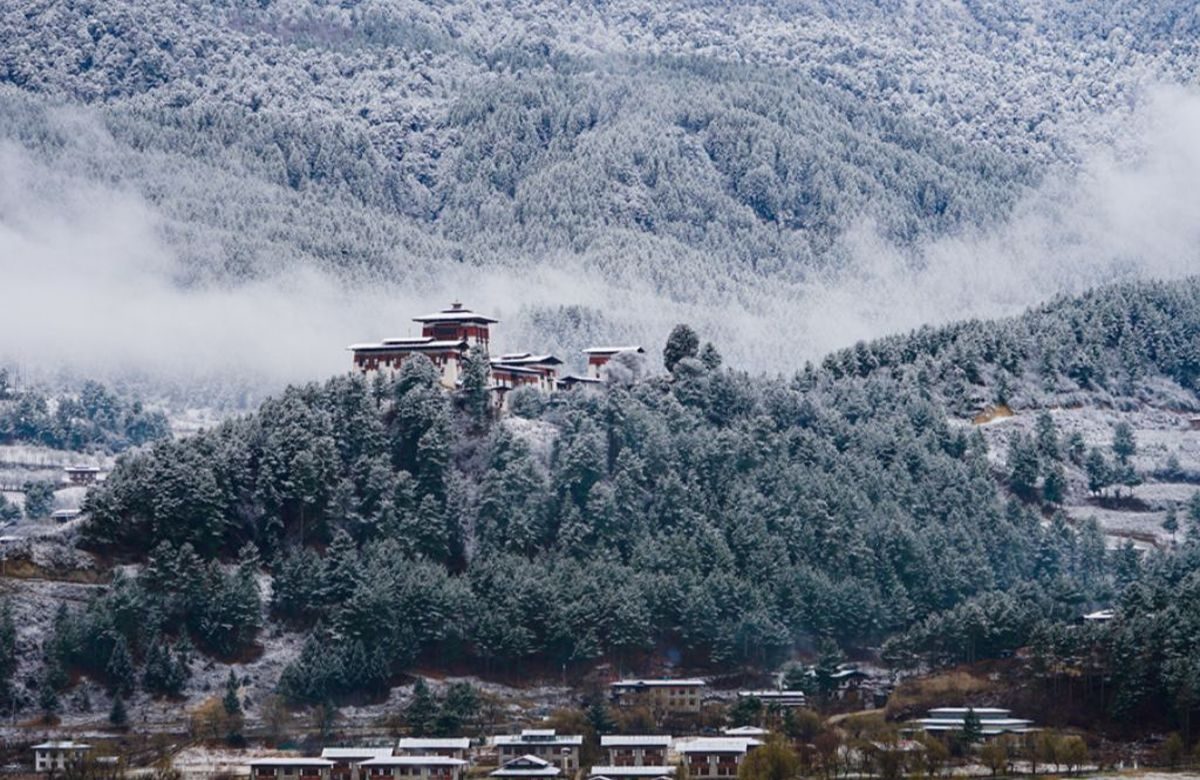
East of the Black Mountains the valleys widen, the temples get older, and the road becomes the journey. Nine nights to Bumthang and back.
Tailor-made
Quotation by email